




Cost-effective, environmentally friendly and efficient, biomass heating has everything going for it—especially at a time when the prices of traditional energy sources are soaring. How does it work? Who is it for? We explain everything!
What is biomass heating?
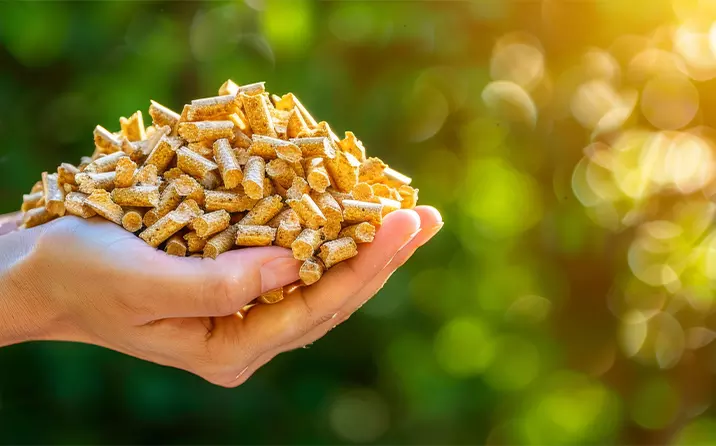
“Biomass”. This is a term that has become part of our everyday lives in recent years, but one that can sometimes be difficult to define precisely. According to the Larousse dictionary, biomass is “a living mass, considered from the point of view of the energy that can be obtained from it through combustion or fermentation”. Not exactly clear…
Biomass heating refers to a method of producing heat using organic materials as an energy source. These materials, known as “biomass”, can be renewable plant or animal matter. It is therefore considered an environmentally friendly heating solution.
What are the advantages of biomass heating?
Biomass heating offers many advantages: it is cost-effective, environmentally friendly and efficient.
- Cost-effective heating. Compared to other heating methods, wood heating remains the most economical fuel. The figures speak for themselves. According to the Argus de l’Énergie, in December 2024, the price of wood chips was €0.045; logs €0.049; and bulk wood pellets €0.077. By comparison, electricity reached €0.253 and mains gas €0.161. These figures are expressed in euros per kilowatt-hour used. Although prices may vary slightly from month to month, biomass energy remains highly competitive. Whether used as a main heating system or as a supplementary source, biomass heating can deliver significant savings on your energy bills. Financial support is available to help you invest in this type of heating. For reliable and up-to-date information, visit the France Rénov’ government website.
- Environmentally friendly and renewable heating. Wood energy is a renewable resource, contributing to carbon neutrality by storing carbon during tree growth. However, it is essential to follow sustainable forestry practices to maintain a favourable carbon balance.
- High-performance heating. Most modern wood heating appliances, including those designed and distributed by Seguin, carry the Flamme Verte label. This certification guarantees high energy performance and reduced emissions, in line with standards aimed at lowering fine particle pollution.
The different biomass heating systems
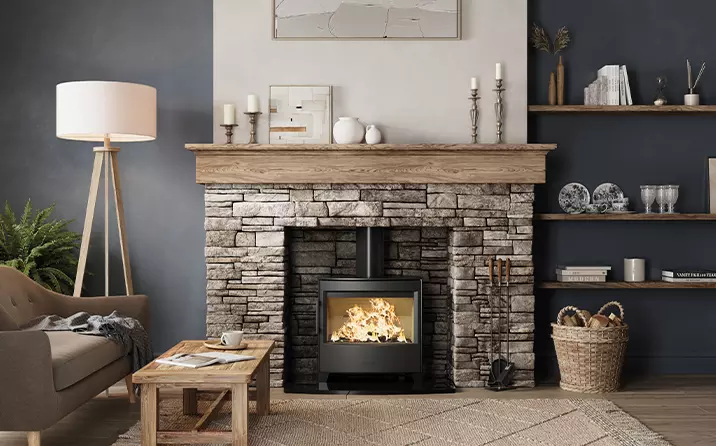
Biomass heating offers a wide range of solutions to suit all needs. Among them, three systems stand out in particular:
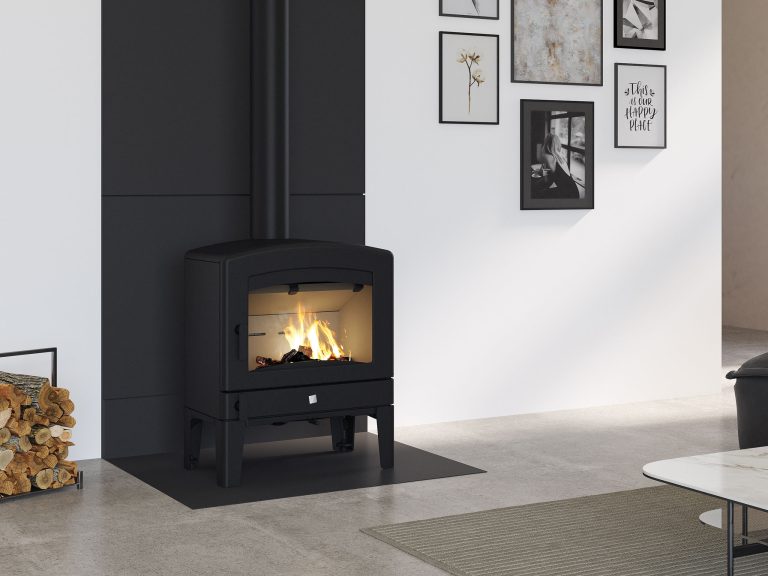
- Biomass stoves (wood or pellet). Very popular over the past decade, these stoves appeal thanks to their sleek, modern design, energy efficiency, and ease of installation and use. They can be used as either supplementary or primary heating.
- Fireplace inserts. In a similar vein, fireplace inserts are also a highly popular biomass heating system. They make it possible to convert an open fireplace into an efficient heating system, fuelled by logs or wood pellets. Inserts combine modern performance with the charm of a traditional fireplace.
- Biomass boilers. Ideal for central heating, biomass boilers supply heat to the entire home, and some models can even produce domestic hot water. These appliances mainly run on wood pellets, offering a cost-effective solution.
How to choose the right biomass heating system for your home?
Are you considering opting for biomass heating, but unsure which option to choose? First, it is important to answer a simple question: do you want to use biomass heating as your main heating system or as a supplementary one?
Next, you will need to determine your expectations, preferences and requirements, while having a good understanding of your home, in order to equip yourself with a suitable system.
For the best chance of making an informed and successful choice, it is advisable to consult an expert from the Seguin network, who will be able to answer your questions and provide personalised advice.