
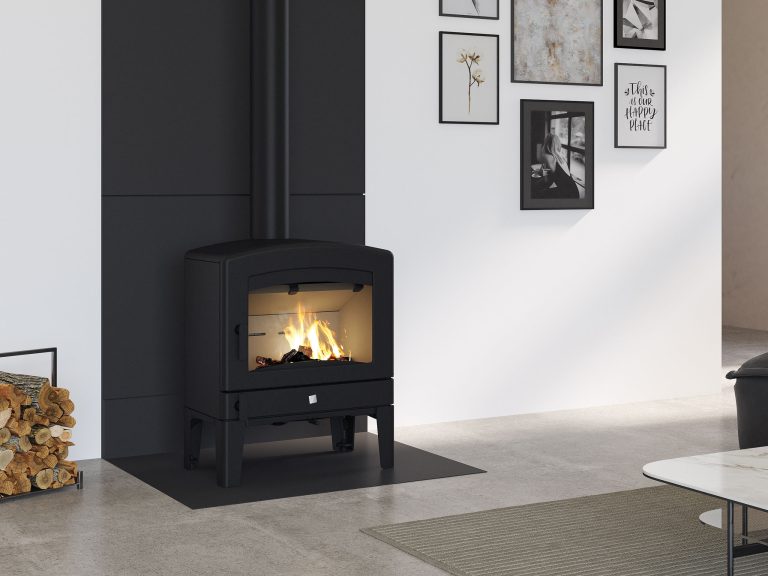




Have you ever heard of the energy mix? It refers, for example, to the distribution of the different energy sources used to meet the needs of a given area. But what are these sources? And can this concept be applied at home, particularly for domestic heating? Let’s take a closer look.
What is the energy mix?
Behind the term “energy mix” (or “energy portfolio”) lies a fairly simple concept. The energy mix refers to the distribution of the different energy sources used in a country or region to meet its needs. It is a key element of energy policy, as it reflects a territory’s technological, economic and environmental choices.
What are the different energy sources in the energy mix?
The main sources of the energy mix fall into three categories:
- Fossil fuels, derived from the transformation of organic matter. These include oil, natural gas and coal.
- Renewable energy sources, which are naturally replenished. These include solar energy, wind energy, biomass (used in wood heating) and hydropower.
- Nuclear energy, produced by the fission of uranium nuclei in power plants that generate electricity.
Depending on their climate objectives, many countries are seeking to adjust their energy mix by reducing the share of fossil fuels in favour of renewable energy sources.
What does the energy mix look like when it comes to domestic heating?
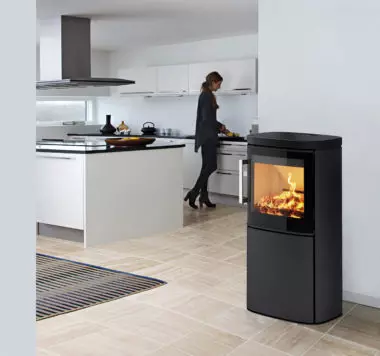
The concept of the energy mix can also be applied on a smaller scale. How? By combining different energy sources to heat a home. For example, you can use a wood-burning stove as the main heating system for your living area to reduce your carbon footprint, while supplementing it with additional appliances, such as a reversible air conditioning unit, which provides an extra source of heat. This type of equipment can be installed in specific rooms, such as the bathroom or bedrooms.
To determine the energy mix best suited to your needs, it is advisable to consult a professional, such as those in the Seguin network, established since 1976. A well-balanced energy mix in your home will allow you to improve your comfort while making savings, for example by opting for wood heating.
What does the future hold for the energy mix in France?
Since the 1980s, nuclear power has played a dominant role in the French energy mix. According to 2023 figures, the breakdown of primary energy consumption in France is as follows:
- Nuclear: 36.6%
- Oil: 30.3%
- Natural gas: 15.5%
- Renewable energy: 13.9%
- Coal: 2.9%
- Non-renewable waste: 0.8%
However, this energy mix is set to evolve. France has set itself the objective of reducing the share of nuclear power to 50% of its electricity mix by 2035, compared with around 71% today.
As for fossil fuels (oil, coal and gas), which are the most polluting, the aim is to reduce their consumption by 50% by 2050 compared with 2012 levels. In particular, the government intends to phase out the use of coal for residential heating by 2025.
At the same time, the share of renewable energy is continuing to grow, particularly as France aims to achieve carbon neutrality by 2050. It is clear that biomass (notably from the combustion of wood or agricultural plant waste, etc.) will become increasingly essential to the energy mix. It should be noted that in 2024, wood is the leading source of renewable energy in France. It is, and will remain, a key resource in helping the country meet its energy transition targets.
Sources :
1: Key figures for energy – 2023 edition, Data and Statistical Studies Service, Ministry for Energy Transition.
2: Ministry for the Ecological Transition.