
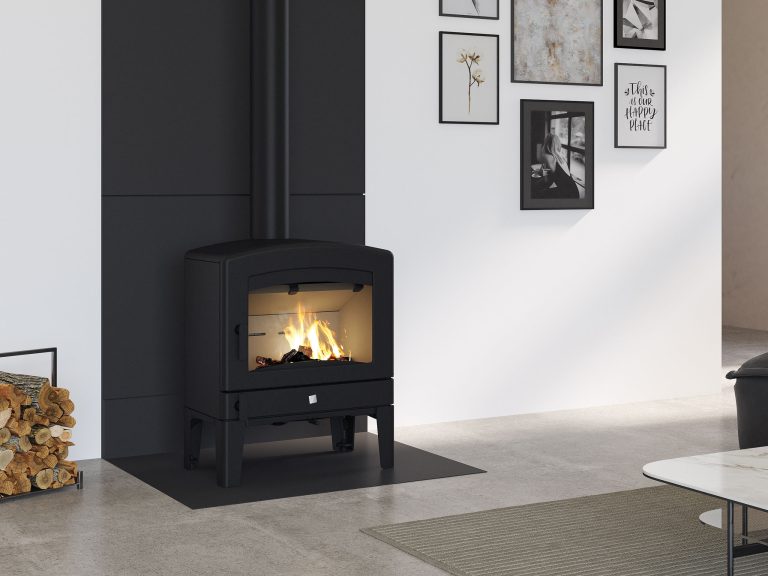



In the face of energy challenges and rising heating costs, wood is emerging in 2026 as a reliable and sustainable solution. With locally sourced energy, high-performance equipment, and unmatched thermal comfort, wood heating has evolved to meet the needs of today’s households—provided it is chosen and used properly. Are you familiar with the many benefits of wood heating? Renewable energy, affordability, and cozy warmth… This heating method is winning over more and more households.
Wood heating: an energy source that’s more relevant than ever
At a time when environmental issues are taking center stage, wood heating naturally stands out as a viable solution. It offers numerous advantages.
Wood is, above all, a renewable energy source, provided it comes from sustainably managed forests. To ensure this, consumers can rely on certifications such as PEFC. It is also a largely local resource, with little reliance on imports. Short supply chains are easy to prioritize, as there are production, processing, and distribution networks throughout France.
Another major advantage is its cost. While it remains generally more competitive than gas or electricity, the price of wood heating still varies depending on the type of fuel used. As a rough guide, in November 2025, the Ajena Association’s Energy Price Guide reported an average price of €0.054 for firewood, compared to €0.091 for wood pellets. These prices were significantly lower than those for natural gas (€0.161) or electricity (€0.198) during the same period.
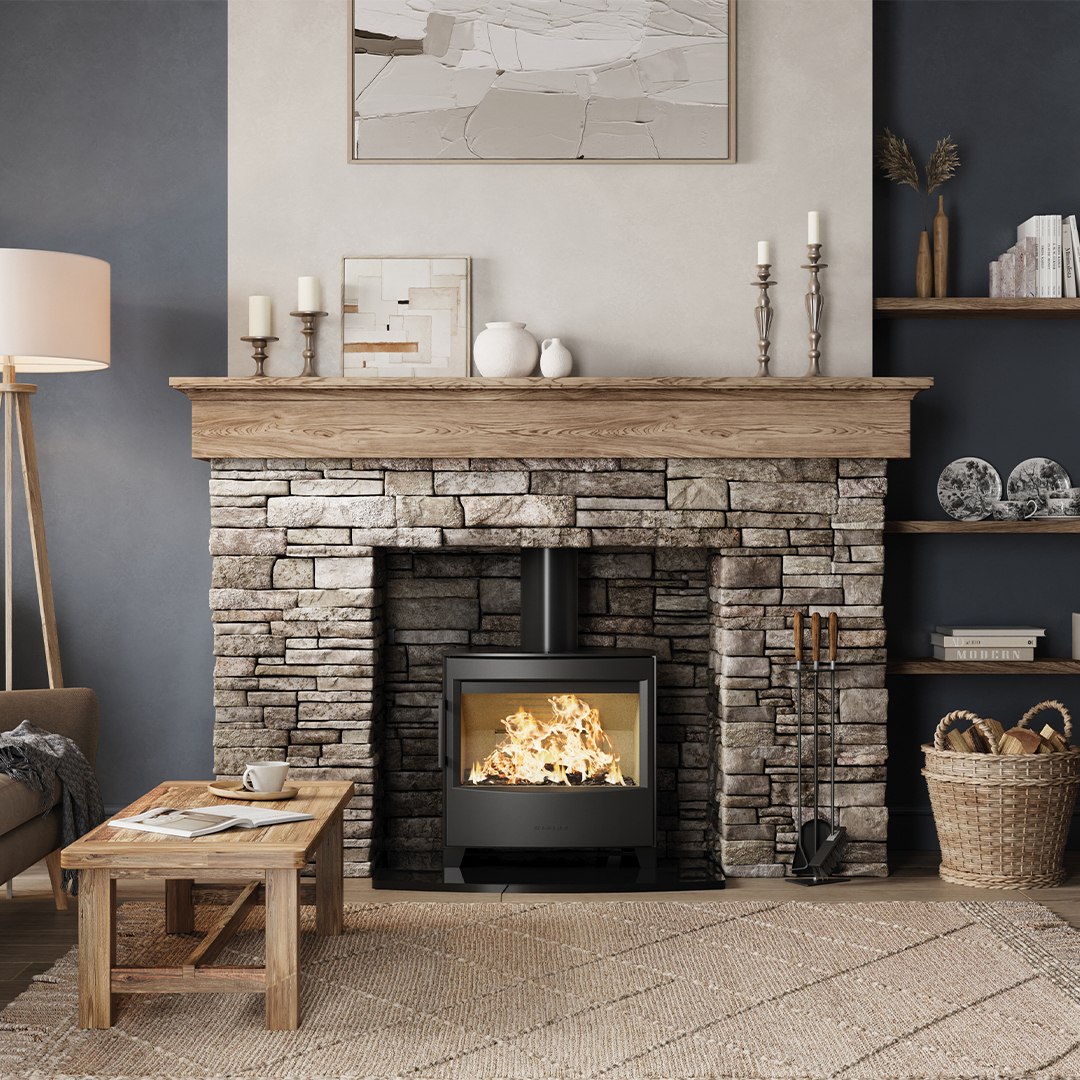
Wood also stands out for its greater price stability, making it easier to manage heating costs. This stability is largely due to reduced exposure to geopolitical tensions, as most of the wood is produced in France. The French wood industry is, moreover, well-structured and regulated, with standards, certifications, and inspections that ensure a reliable and transparent supply chain.
Wood-burning heating equipment, such as stoves, inserts, and fireplaces, must also meet strict performance standards.
Modern, high-performance, and environmentally responsible equipment
Wood-burning stoves and inserts are both efficient and aesthetically pleasing. They can be used as supplemental heating or serve as the primary heating source in the home, provided that the wood-burning unit is ducted and fans are installed to distribute warm air throughout the house.
Integrated technologies enable optimized combustion and more efficient heat transfer. The result is high efficiency, reduced wood consumption, and unmatched thermal comfort!

These appliances have also made environmental improvements. Newer models reduce emissions through more efficient combustion. Airflow is precisely regulated, and the gases produced by the fire are also burned, which improves efficiency and reduces smoke and particulate matter. This results in more heat from the same amount of wood, which helps lower energy bills.
But keep in mind that a stove’s performance also depends on the choice of fuel. High-quality, thoroughly dry wood ensures better efficiency and reduces emissions caused by incomplete combustion.
Finally, regular maintenance is essential to ensure that the appliance operates properly. It helps maintain its performance, ensure safety, and extend its lifespan.
Why Wood Heating Is Gaining Popularity Among Households in 2026
Wood-burning stoves, inserts, and fireplaces are now a common feature in many homes.
In traditional homes as well as in some contemporary apartments, wood heating appeals for the comfort it provides on a daily basis; its ease of use and the pleasure of the flames help create a warm and pleasant atmosphere in the home. To install such a heating system in an apartment, you must ensure that the city permits it and that the building has chimney flues.
These solutions are also easier to integrate than one might imagine, whether in a new home, an older one, or a renovated one. Whether in a house or an apartment, there is always suitable equipment available.
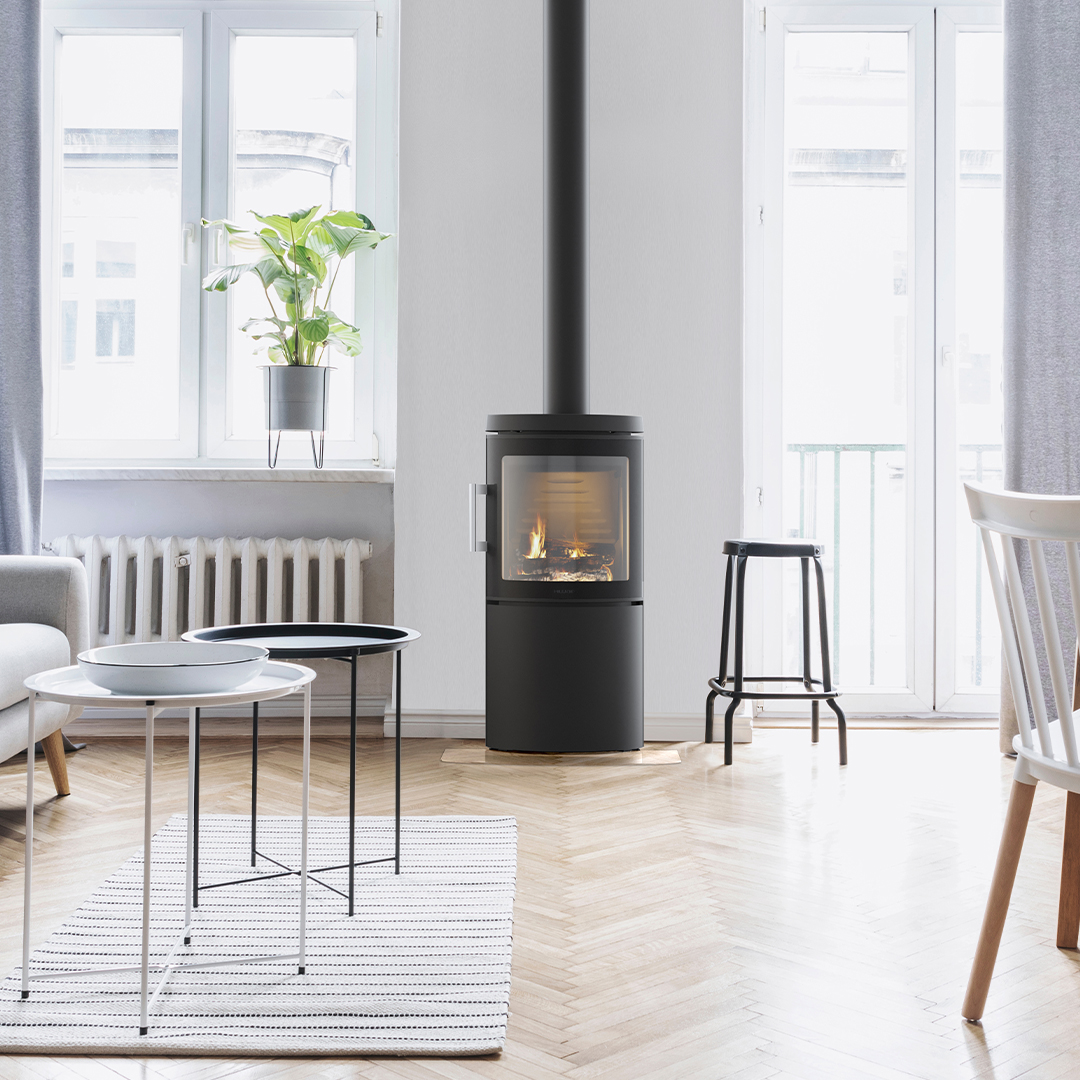
Whether it’s a stove or an insert, a compact model or a more powerful one, a modern design or a traditional style… The professionals at SEGUIN help homeowners choose the appliance best suited to their home and their needs. They can also advise on the most appropriate use—as a primary heating source or as a supplement—to ensure a choice that is practical, efficient, and sustainable.
FAQ
Yes, provided the appliances (wood-burning stoves, pellet stoves, fireplace inserts, etc.) comply with safety standards and are used properly.
It can be, provided it relies on high-performance equipment and high-quality fuel that is responsibly sourced and certified.
Yes, depending on the floor area, insulation, and the type of appliance installed.
It is necessary to consult a professional to choose the device best suited to the project.