
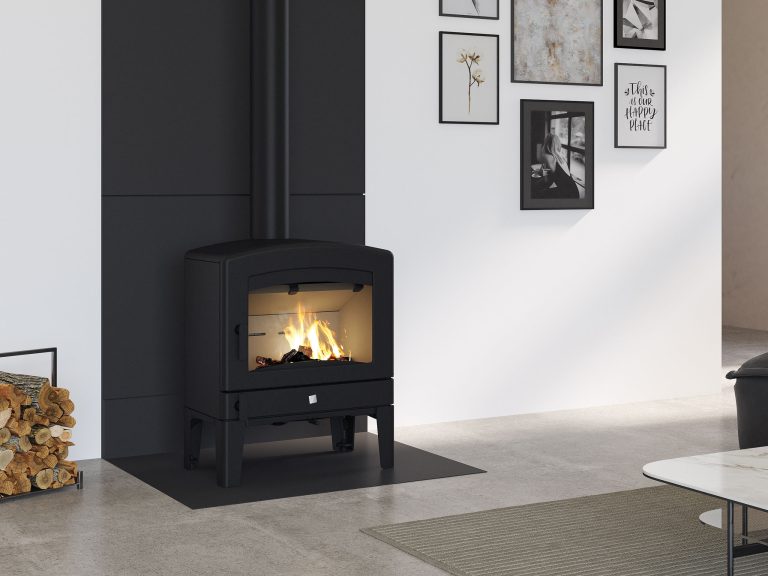



To ensure your chimney is both efficient and safe, sweeping is not only essential but also mandatory. Autumn, or summer before the heating season resumes, are the recommended times to carry out chimney sweeping. A second intervention may be useful during winter depending on how frequently your appliance is used. And what about wood-burning stoves and inserts? We explain everything.
Do you have questions about sweeping your chimney, wood-burning stove or insert? The professionals from the SEGUIN network explain why this maintenance is essential for your safety and everyday comfort.
Why is it essential to have your chimney swept?
Chimney, wood-burning stove or insert sweeping is not only essential, but also a legal requirement. It must be carried out by a certified professional once or twice a year, depending on your local authority. At the end of the service, you will be issued with a sweeping certificate. This document is essential to ensure you are covered by your insurance in the event of a claim.
This is above all a matter of your safety. A poorly maintained flue can accumulate highly flammable deposits, which may lead to a domestic fire. A partially blocked flue can also cause smoke to back up, exposing the occupants of the home to carbon monoxide, a colourless, odourless but highly toxic gas.
Proper maintenance of your appliance ensures healthier indoor air, with fewer airborne particles. Lastly, a well-maintained chimney or stove guarantees optimal draught, resulting in more efficient combustion. You use less wood, your appliance heats more effectively, and its lifespan is extended. In this way, you benefit from improved safety, comfort, performance and savings.
When should you have your chimney swept?
Chimney sweeping should be carried out once or twice a year, depending on your local authority and how often your appliance is used. Autumn is the ideal time, before the heating season begins. This ensures you start the winter with a clean flue and an appliance ready for more intensive use.
Pensez à anticiper la prise de rendez-vous, car l’automne est une période chargée pour les ramoneurs. Une alternative est possible : faire ramoner en fin d’hiver, ce qui permet de retirer les résidus avant qu’ils ne durcissent et d’éviter l’humidité stagnante dans les conduits durant l’été. C’est aussi plus simple pour obtenir un créneau.
Remember to book your appointment in advance, as autumn is a busy period for chimney sweeps. An alternative is to have your chimney swept at the end of winter, which helps remove residues before they harden and prevents stagnant moisture in the flue during summer. It is also easier to secure an appointment slot at that time.
Whether you have an insert, a wood-burning stove or a pellet stove, the same requirements apply as for a traditional fireplace.
As for ethanol fireplaces, they do not require sweeping, but regular inspection of the flue is recommended to remove any dust and possible residues.
Who can carry out chimney sweeping?
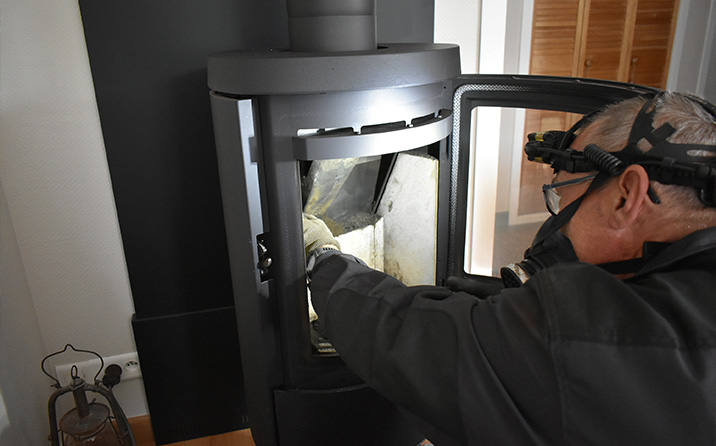
Chimney sweeping must be carried out by a certified professional who can provide you with a certificate valid for your insurance company. Without this document, you risk not being compensated in the event of a fire.
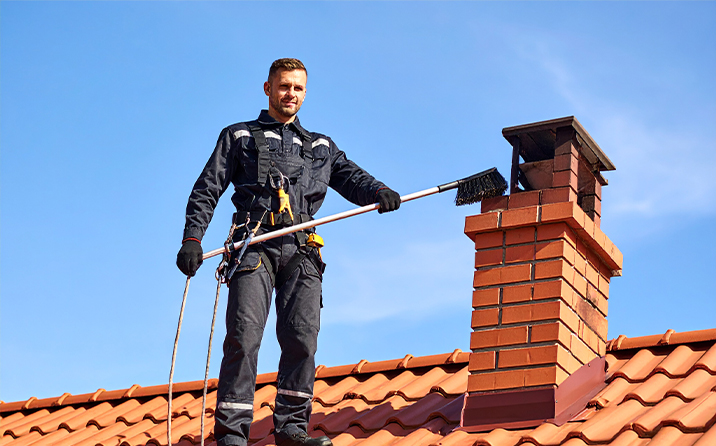
There are two chimney sweeping techniques. The most common is manual sweeping, using a brush fitted to rods. Mechanical sweeping, using a powered tool, is recommended for heavily soiled flues. Whatever the method, the objective remains the same: to achieve a thorough cleaning of the flue walls.
Be aware that failure to comply with this requirement may result in a fine of up to €450, in addition to potential consequences for your insurance coverage.
But having your chimney swept is not just a formality—it is a matter of safety, efficiency and responsibility. By planning this maintenance at the right time, you ensure a worry-free winter, efficient heating and a well-protected home. Don’t wait for the first cold spell to book your appointment!