




If you own a wood-burning insert and are wondering whether you can burn pellets in it, you’re not alone. At Seguin, experts in fireplaces, stoves and inserts, this question comes up frequently. In this comprehensive guide, we explore the options, benefits and precautions to consider when thinking about using pellets in a traditional insert.
What is an insert and how does it usually work?
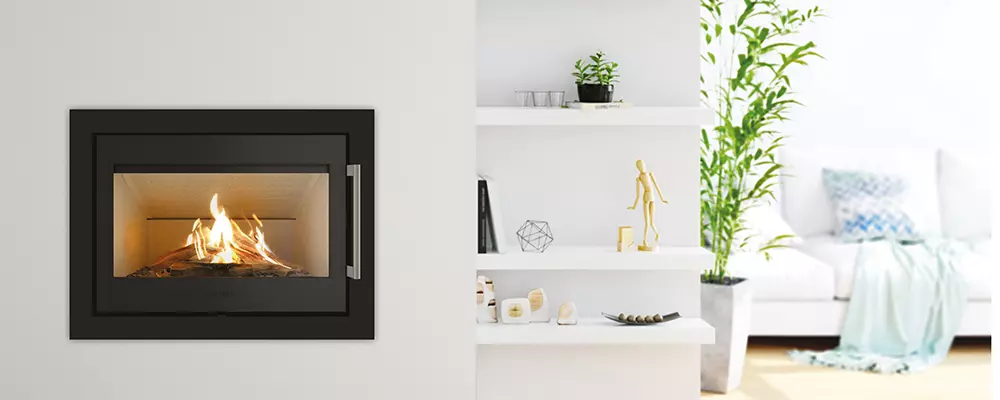
A fireplace insert is a heating appliance designed to be fitted into an existing fireplace. These units are typically intended to burn logs. They operate by creating a closed combustion chamber, which significantly improves heat efficiency compared with an open fireplace.
The operating process of a conventional insert works as follows:
- The fuel is placed into the firebox.
- Air is supplied to feed the flame.
- The wood burns, releasing heat.
- The gaseous by-products are expelled through the flue.
Pellets: an alternative to traditional wood
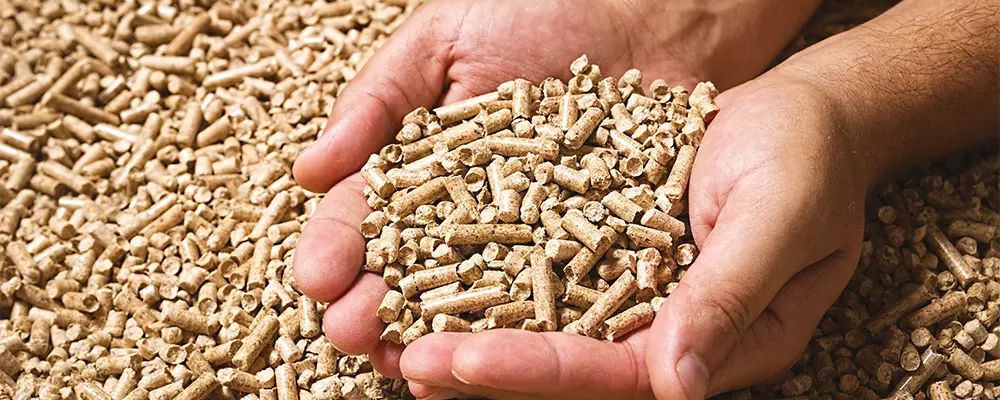
Pellets, also known as wood pellets, are small compressed cylinders made from wood residues. They have become a popular alternative to traditional logs for several reasons.
Advantages of pellets compared with wood
- Higher energy efficiency: pellets have a lower moisture content and a higher density than traditional logs.
- Easier storage: pellets take up less space and are easier to store than logs.
- Automated supply: in suitable appliances, the fuel feed can be mechanised, offering greater convenience.
- Cleaner ignition: pellets generally produce fewer residues and particles than traditional logs.
Differences between pellets and logs during ignition
Before comparing pellets and logs, it is important to understand what ignition is. In the context of a pellet insert (or pellet stove), ignition refers to the process by which the wood pellets are lit to start combustion and produce heat. However, pellet ignition differs from that of logs in several respects:
- Ignition rate: pellets burn more quickly and more evenly than logs.
- Ignition temperature: pellets generally reach higher temperatures.
- Oxygen requirement: pellet ignition requires a different air supply from that of logs.
Is it possible to use pellets in a conventional insert?
In short: it is generally not recommended to use pellets in an insert designed for logs without proper adaptation. Here’s why:
Potential risks and disadvantages
- Excessive overheating: pellets can generate more intense heat than the insert is designed to handle.
- Damage to the appliance: the grate and other components of the insert may not be suitable for pellets.
- Loss of efficiency: without an appropriate feeding system, pellets may not burn efficiently.
- Safety risks: improper ignition can lead to a build-up of harmful gases.
Safety measures to adopt if attempting use
If, despite these risks, you still wish to try using pellets in your log-burning insert, here are some essential precautions:
- Opt for a pellet basket specifically designed for log-burning inserts.
- Avoid overfilling the basket to prevent overheating.
- Carefully monitor the ignition and the temperature of the insert.
- Check that your carbon monoxide detector is working properly.
- Have your insert and chimney inspected regularly by a professional.
Options for adapting an insert to pellets
Rather than trying to use pellets in an insert that isn’t designed for them, there are safer and more efficient solutions:
Pellet burner: principle and installation
A pellet burner is a mechanism that can be installed in certain wood-burning inserts to enable the use of pellets. It generally includes:
- A pellet hopper
- An automatic feeding system
- A burn pot specifically designed for pellets
- An electronic control unit
The installation of a pellet burner must be carried out by a qualified professional to ensure the safety and efficiency of the system.
Pellet adapter: an intermediate solution
A pellet adapter is a simpler option than a burner. It is generally a basket or tray specifically designed to hold pellets and fit into a log-burning insert. Although less efficient than a true pellet insert, this solution can be a good compromise for those who want to try pellets without investing in a new appliance.
Costs and considerations when adapting an insert
Converting a wood-burning insert into a pellet insert requires a careful assessment of costs and technical implications.
As a first step, you may opt for a pellet burner, which typically costs between €1,500 and €3,000 excluding installation. It is important to allow for additional costs for any necessary modifications to the flue, to ensure it meets the new ventilation and safety requirements. Adjustments to the electrical supply may also be required to support the operation of a pellet insert.
If you opt for a simple adapter, you can expect to pay between €100 and €300.
These modifications, although potentially costly, can bring significant benefits in terms of energy efficiency and convenience. It is therefore crucial to carefully assess all costs and required changes before undertaking this conversion, to ensure the investment suits your needs and budget.
Comparison: log insert vs pellet insert vs hybrid insert
Performance and energy efficiency
A log-burning insert offers an efficiency of 70 to 85%, while a pellet insert provides an efficiency of 80 to 90%. As for the hybrid insert, it combines the advantages of both types of inserts, with efficiency varying depending on the fuel used, but it comes at a higher cost than a conventional insert.
Running costs and maintenance
The running and maintenance costs of wood-burning, pellet and hybrid inserts vary depending on several factors, including the type of fuel, frequency of use, and the specific requirements of each system.
Log-burning inserts generally require a regular supply of firewood, which can be costly depending on the region and the quality of the wood chosen. In addition, these systems require regular maintenance to remove ash and ensure the proper functioning of the chimney, as well as annual sweeping to prevent creosote build-up.
Pellet inserts, on the other hand, may have slightly higher running costs due to the price of pellets, but their higher energy efficiency often offsets this difference. They also require regular maintenance, including cleaning the ash containers and flues to prevent blockages.
Finally, hybrid inserts, which combine the advantages of both systems, offer flexibility of use with running and maintenance costs that can vary depending on the fuel chosen. These systems are generally more expensive to purchase and maintain, but their energy efficiency and adaptability can make them a cost-effective choice in the long term. They require particular attention to maintain optimal performance, including regular checks of the mechanisms that switch between fuels.
Environmental impact
All three options can be considered relatively environmentally friendly, as they use a renewable resource. However, pellet inserts and modern hybrid inserts tend to produce fewer emissions thanks to more complete combustion.
Recommendations for choosing the best option for your home
Assess your heating needs
Take into account the area to be heated, the frequency of use, and your preferences in terms of fire management (manual or automated).
Financial aspects to consider
Consider not only the initial cost of the appliance, but also the long-term expenses related to fuel and maintenance.
The importance of expert advice
At Seguin, we always recommend consulting a specialist before making a decision. A professional will be able to assess your current installation and guide you towards the solution best suited to your situation.
Final thoughts: using pellets in your insert – a good or bad idea?
Using pellets in a traditional insert is generally not recommended without proper adaptation. If you are interested in the benefits of pellets, it is better to consider installing a dedicated pellet insert or a hybrid model. These options offer better efficiency, enhanced safety and more convenient use of pellets.
At Seguin, we offer a complete range of wood-burning and pellet inserts to meet all your heating needs. Don’t hesitate to contact us for personalised advice and to discover the ideal solution for your home.
Blog & conseils
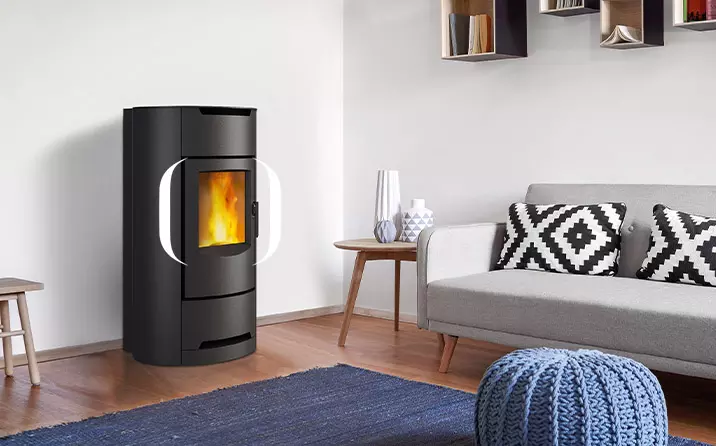
Programme your comfort at home with a pellet stove
Do you dream of a comfortable, well-heated home while reducing your energy bills? A pellet stove is the ideal solution! From choosing the right model to installation and maintenance, follow our guide to make the most of this efficient, cost-effective and eco-friendly heating solution. Comfort, sustainability, convenience: what are the everyday benefits of a pellet […]
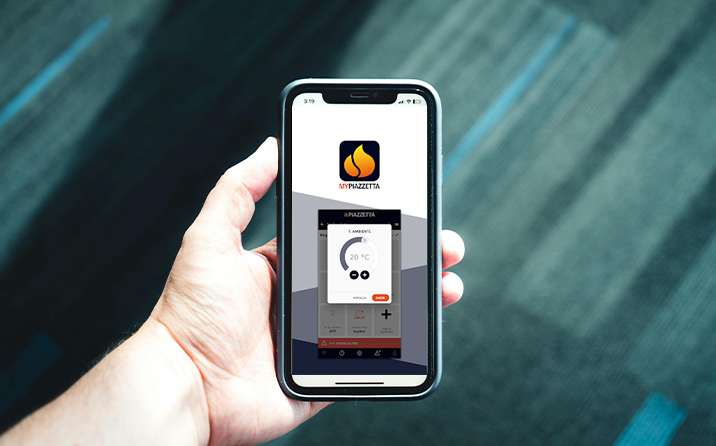
Experiencing Wi-Fi connection issues with your Piazzetta pellet stove? Here’s how to fix them!
Are you no longer able to control your stove using the MY PIAZZETTA app? Unable to connect, lost Wi-Fi after changing provider, or having trouble registering your stove? Don’t worry! Follow our advice to regain optimal control. Case No. 1: First connection to your PIAZZETTA pellet stove The first thing to do is install the […]
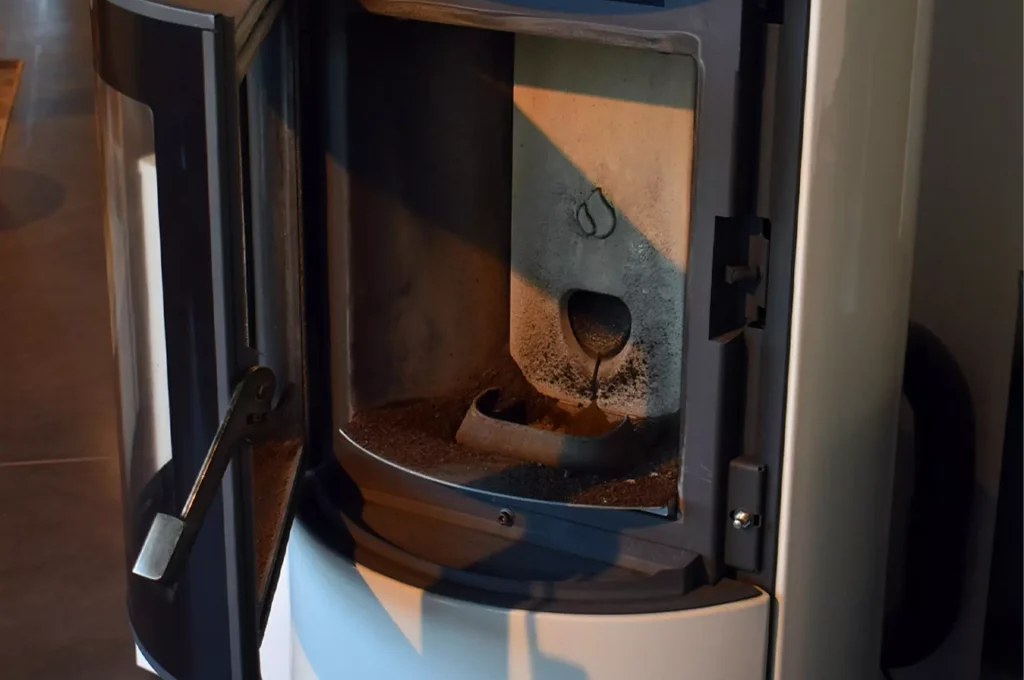
How to effectively clean the glass of your pellet stove
Seguin pellet stoves are renowned for their efficiency and elegant design. However, like all stoves, their glass can become dirty over time. In this article, we will guide you through the best techniques for cleaning your pellet stove glass, explaining why it blackens and how to keep it clean in the long term. Why does […]
Pellet stove maintenance: complete guide and advice
Installing a pellet stove is an excellent choice for environmentally friendly and cost-effective heating. However, like any heating appliance, regular maintenance is essential to optimise its performance and longevity. This guide will help you master the maintenance of your pellet stove, allowing you to make the most of its benefits. Daily and weekly maintenance of […]