
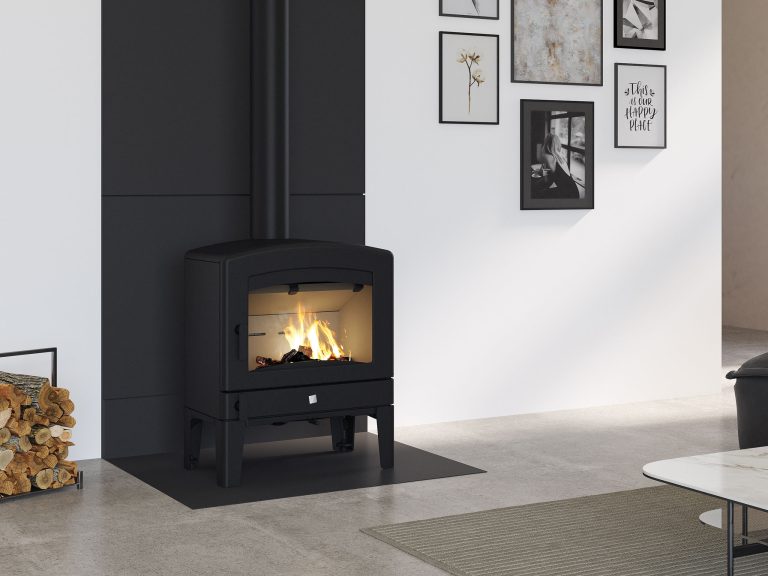





To get through the winter with peace of mind while making valuable savings, it’s best to plan ahead when buying your firewood or pellets. From selection to storage, SEGUIN network experts share their advice to help you properly prepare for the heating season.
Lower prices, drier wood, faster delivery… Buying your firewood at the right time can make all the difference.
Discover our tips to properly prepare for your heating season and enjoy a peaceful winter by the fireside.
What is the best time to buy firewood?
It is recommended to buy your firewood in spring or summer, in order to anticipate the heating season, avoid peak demand, and benefit from more favorable prices.
At the end of winter, demand drops, and suppliers often offer attractive prices, sometimes with special promotions.
Planning ahead: the key to a peaceful winter
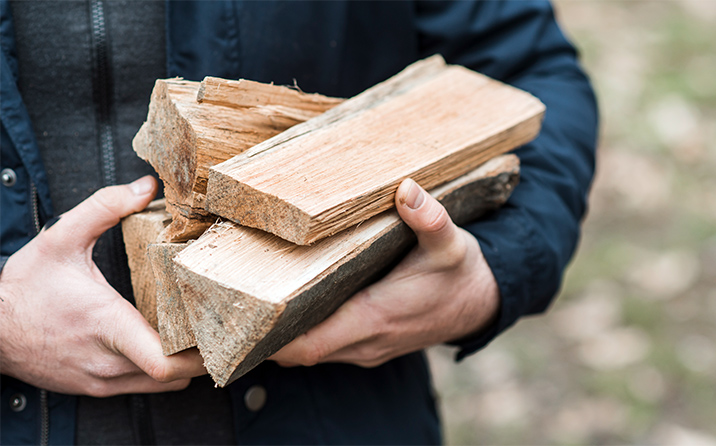
So don’t hesitate to order your firewood as early as March or April for the following winter. This can also allow you to spread out your expenses, for example by placing two separate orders.
By planning ahead in this way, you benefit from shorter delivery times and a wider selection, while enjoying greater peace of mind. Conversely, as winter approaches, demand surges, prices rise, stocks dwindle, and delivery times become longer. All of this can therefore become a source of stress when organizing for the cold season.
Another significant advantage: by ordering in advance, you can better control the drying of your firewood. It is an essential factor for optimal performance, as properly seasoned wood burns longer, produces less buildup in your flue, and delivers more efficient heat. You’ll save money, enjoy greater day-to-day comfort, and benefit from pleasant, consistent warmth.
How should you properly store your firewood before winter?
Wood should be stored in a dry, well-ventilated place, protected from both rain and wind. Experts from the SEGUIN network recommend stacking your wood on a pallet or support to promote air circulation and prevent the logs from absorbing moisture from the ground. If possible, face your woodpile south to speed up natural drying.
Two mistakes should be avoided at all costs: never place logs directly on the ground or against a wall, and do not fully cover them with a waterproof tarp. If you want to protect your woodpile, cover only the top so that air can circulate along the sides. Covering it completely can cause the wood to become moldy.
To check the moisture level of your wood, you can use a moisture meter. This simple device is available in DIY stores. Just insert the probe into a log to measure its moisture content accurately. Wood is considered ready to use when the level is between 15% and 20%. Indeed, wood should not be too dry either to ensure proper combustion. If you don’t have a device, some signs can help: dry wood produces a clear sound when two logs are struck together and gives off little smoke when lit.

Firewood or pellets: the same logic of buying ahead
As with firewood, it’s wise to plan ahead when purchasing your pellets to take advantage of the best prices. Pellet prices vary depending on the season and are generally lower between April and August.
By ordering your pellets in spring or summer, you avoid the autumn price increases driven by high demand. You also benefit from a wider selection and greater availability of stock. Keep it in mind: placing group orders with neighbors or friends can help you secure preferential rates on large volumes. By planning ahead, you can also schedule delivery at your convenience for greater organizational comfort.
To preserve the quality of your pellets until winter, keep them in their original bags, stored in a dry place and protected from frost. As with firewood, avoid direct contact with the ground by placing them on a pallet. Stored this way, your pellets will retain their calorific value and ensure excellent performance.
Blog & Advice
How to install a wood-burning stove: complete guide and key steps
Installing a wood-burning stove in your home is a project that requires careful preparation and compliance with numerous safety standards. Whether you plan to have your appliance installed by a professional or are considering installing it yourself, it is essential to fully understand each step. Before starting the installation process, take a look at our […]
How can you recycle the ashes from a wood fire?
Ash for making laundry detergent And yes, wood ash is very effective for washing your laundry! In particular, it’s an excellent stain remover and very effective at bringing your white laundry back to life. How do I make my own laundry detergent using ash? Ash for cleaning windows Thanks to the potash contained in wood […]
Wood-fired heating: unexpected benefits! The Scandinavian approach.
As we know, the Scandinavians have a highly developed culture of wood-burning heating. For example, in Norway, there is more than one wood-burning stove per household. The Scandinavian market – and Denmark in particular – is now one of the most dynamic in Europe, with leading manufacturers. This tradition of wood-burning heating has long enabled […]