




The heat output of a wood stove is one of the most important factors in ensuring efficient and economical heating. An improperly sized stove can lead to excessive fuel consumption, reduced comfort, or premature wear and tear. What factors should you consider when determining the right output for your home? Let’s take a closer look at the issue.
Why is a wood stove's heat output so important?
Ensuring Optimal Thermal Comfort
The primary purpose of your wood stove is to maintain a comfortable temperature throughout your home or in the spaces you wish to heat. This temperature should remain constant and provide you with immediate comfort. A properly sized stove will distribute heat evenly across the entire area to be heated and maintain a stable temperature over time.
Whether it serves as your primary heating source or supplemental heating, it ensures true comfort in your daily life, especially during periods of extreme cold. This way, you won’t experience significant temperature fluctuations, which can be particularly uncomfortable and wasteful of energy.
Managing Fuel Consumption
A heating appliance that’s too powerful for the size of your home and your daily needs may either overheat the room and cause discomfort or run at a lower capacity, reducing its efficiency.
Conversely, a unit that isn’t powerful enough will require more frequent refills of wood or pellets. In both cases, an improperly sized unit will affect your fuel consumption and increase your heating costs.
It is therefore important to choose a unit with the perfectly suited output to ensure optimal performance and control your energy consumption. Feel free to contact a SEGUIN expert who can advise and guide you in making your selection.
Ensuring the device’s longevity
Using the correct heat setting helps preserve your stove over time. In fact, improper operating cycles can cause the stove to become clogged more quickly, which will reduce its performance. For safety, comfort, and energy efficiency, it is important to use your stove in accordance with the manufacturer’s specifications.
How do you calculate the right power rating for your home?
Several factors must be considered to determine the most suitable heating capacity for your home.
The floor area and volume to be heated
The floor area of the home is the first factor to consider. But beyond floor area, it’s also important to consider the volume to be heated, particularly the ceiling height. Two rooms with similar floor areas may have very different heating requirements depending on their actual volume.
There are also notable differences between an apartment, a single-story house, and a multi-story house, especially when the stove is used as the primary heating source. Heat does not distribute evenly depending on the home’s overall layout.
The Level of Insulation in the Home
Insulation has a direct impact on heating requirements. You must take into account not only the insulation of the walls—whether interior or exterior—but also the roof, windows, and even shutters or blinds, which can significantly limit heat loss during the winter months.
As a result, two homes of the same size may require very different heating capacities. A newer home that meets current standards will generally require a less powerful unit than an older home that has undergone few energy-efficiency renovations.

The Region and Lifestyle
Local weather conditions are also a key factor in determining the heating capacity of your heating system. Obviously, heating needs will differ between a mountainous region with harsh winters and an area with a more temperate climate.
As mentioned earlier, how you plan to use the stove will also influence the power it needs. Do you want to use it as your primary heat source? As supplemental heat? Or more occasionally, in a second home, for example?
In addition, there’s the amount of time you’ll be at home and the desired temperature.
The Importance of Efficiency in Selecting Power Rating
A high-performance, properly sized appliance will provide better efficiency. In other words, it will make better use of the energy contained in the wood, heat more efficiently, and retain heat longer.
Mistakes to Avoid When Choosing a Stove
Here are the three main mistakes to avoid when choosing a wood stove.
Choosing an oversized stove
People sometimes tend to think that a more powerful stove will provide greater comfort. This is not true. On the contrary, it may overheat the room or run at a lower output, which causes the stove to become clogged with soot. This situation can also directly impact fuel consumption and unnecessarily increase your heating costs.
Choosing an Underpowered Stove
Conversely, choosing a stove that isn’t powerful enough isn’t a good solution. The stove will struggle to reach the desired temperature, and you won’t enjoy the comfort you expect.
Neglecting to consult a professional
Every home and every fireplace has its own unique characteristics. Only an expert can take into account all the necessary factors to determine the most suitable heat output for your project.

Key Takeaways
A wood stove’s heat output depends on the area to be heated, the volume of the rooms, the home’s insulation, and your habits and usage patterns.
An oversized unit does not perform better and may even reduce heating efficiency.
Consulting a professional helps you make the right choice and invest in equipment that is truly suited to your home.
FAQ
The answer depends on several factors: the room's volume, the level of insulation, the region where you live, and whether the stove is used as the primary or supplemental heating source. A professional assessment is still the best way to determine the appropriate heat output.
An oversized appliance may run at a lower capacity, which can cause it to become clogged.
Yes, in some cases, particularly in well-insulated homes with a layout that promotes heat circulation. However, feasibility depends on the size and layout of the house.
By analyzing the area to be heated, the volume, the insulation, the geographic location, and lifestyle habits, you can accurately assess your heating needs and choose a wood stove that’s right for you.
Blog & Tips
How do you choose the ideal heat output for your wood stove?
The heat output of a wood stove is one of the most important factors in ensuring efficient and economical heating. An improperly sized stove can lead to excessive fuel consumption, reduced comfort, or premature wear and tear. What factors should you consider when determining the right output for your home? Let’s take a closer look […]
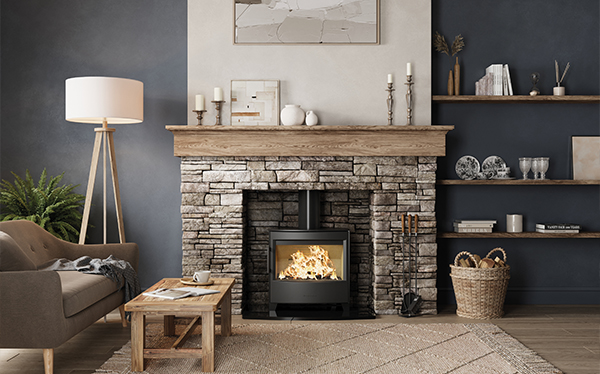
Sustainable, cost-effective, and efficient: Why switch to wood heating in 2026?
In the face of energy challenges and rising heating costs, wood is emerging in 2026 as a reliable and sustainable solution. With locally sourced energy, high-performance equipment, and unmatched thermal comfort, wood heating has evolved to meet the needs of today’s households—provided it is chosen and used properly. Are you familiar with the many benefits […]
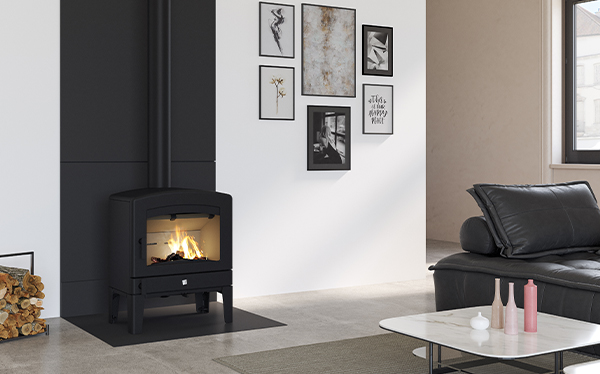
Wood-burning heating: Choose "Made in France" with SEGUIN stoves
When you choose a SEGUIN stove or insert, you’re choosing a product made in France that has combined performance, durability, and craftsmanship for 50 years. Are you looking for a wood stove or insert that’s high-performing, reliable, and built to last? The models designed in France by SEGUIN will meet all your expectations. For SEGUIN, […]
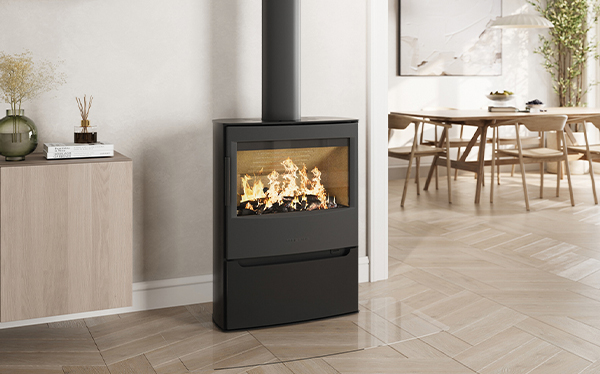
Supplementary heating: why a wood stove remains a safe bet
As a complement to a primary heating system, a wood stove is an ideal, comfortable, and efficient supplemental heating solution. When chosen wisely and used properly, a wood stove serves many purposes, from the shoulder seasons to the coldest days of winter. Here’s an overview of its benefits and what you need to know. Looking […]

SEGUIN Workshops: Where It All Begins
Behind every SEGUIN appliance, there is an origin, a place, and the women and men who make it possible. Les Ateliers SEGUIN signature was created to clearly identify products designed and manufactured within the Group’s production sites. Today, SEGUIN relies on five industrial sites, located across France and Europe, all established in regions historically connected […]

SEGUIN – A STORY OF PASSION
For a long time, “A Story of Flame” accompanied the entire SEGUIN brand. Today, this signature is evolving and naturally finds its place where it makes the most sense: at the heart of the products. SEGUIN – A Story of Flame is the tagline of the SEGUIN product brand, embodying a passion for fire, material […]