
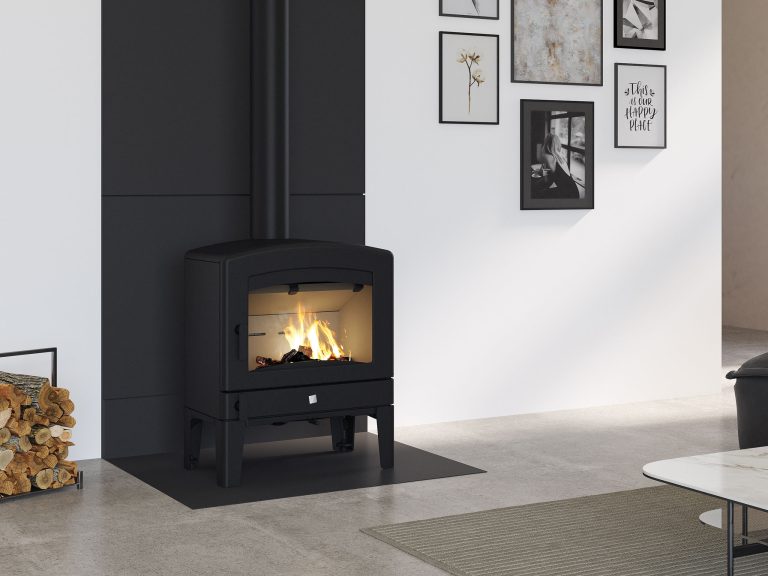





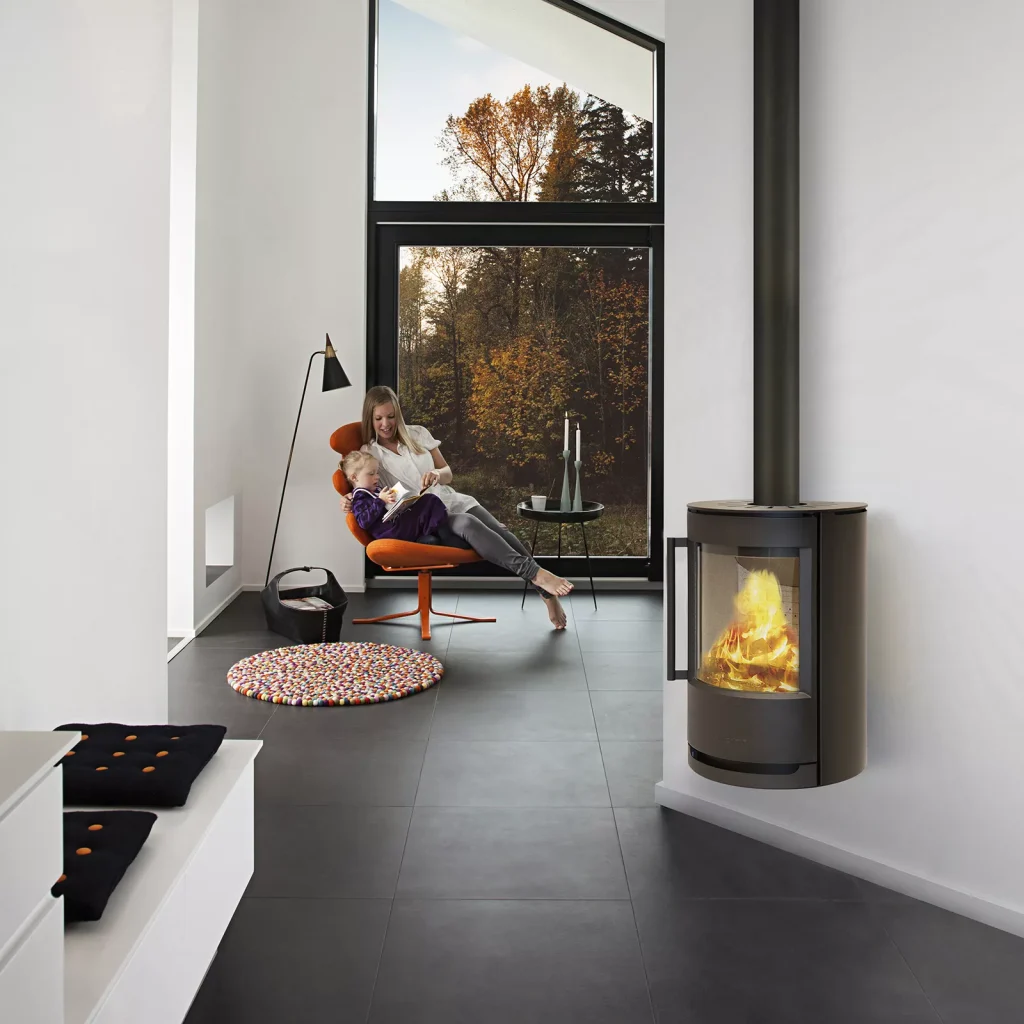
As a complement to a primary heating system, a wood stove is an ideal, comfortable, and efficient supplemental heating solution. When chosen wisely and used properly, a wood stove serves many purposes, from the shoulder seasons to the coldest days of winter. Here’s an overview of its benefits and what you need to know. Looking for an efficient, stylish, and cozy supplemental heating solution? A wood stove is the perfect choice for you.
The wood stove: an efficient supplemental heating
On chilly winter evenings, during the shoulder season, or simply for a cozy family night in, it’s sometimes nice or even necessary to have some extra heat. That’s exactly what a space heater is for. It supplements the main heating system to add a few extra degrees to one or more rooms. A wood-burning or pellet stove is particularly well-suited for this supplementary use.
Without being intended to replace the existing system, a wood stove, used as a space heater, improves thermal comfort, whether on an occasional basis or daily. It quickly raises the temperature in a specific area and can, in some cases, reduce the need for central heating. Wood, in fact, gives off rapid, enveloping heat. Typically installed in the living room or dining room, the stove heats the spaces where people spend their time, enhancing that immediately noticeable sense of comfort.
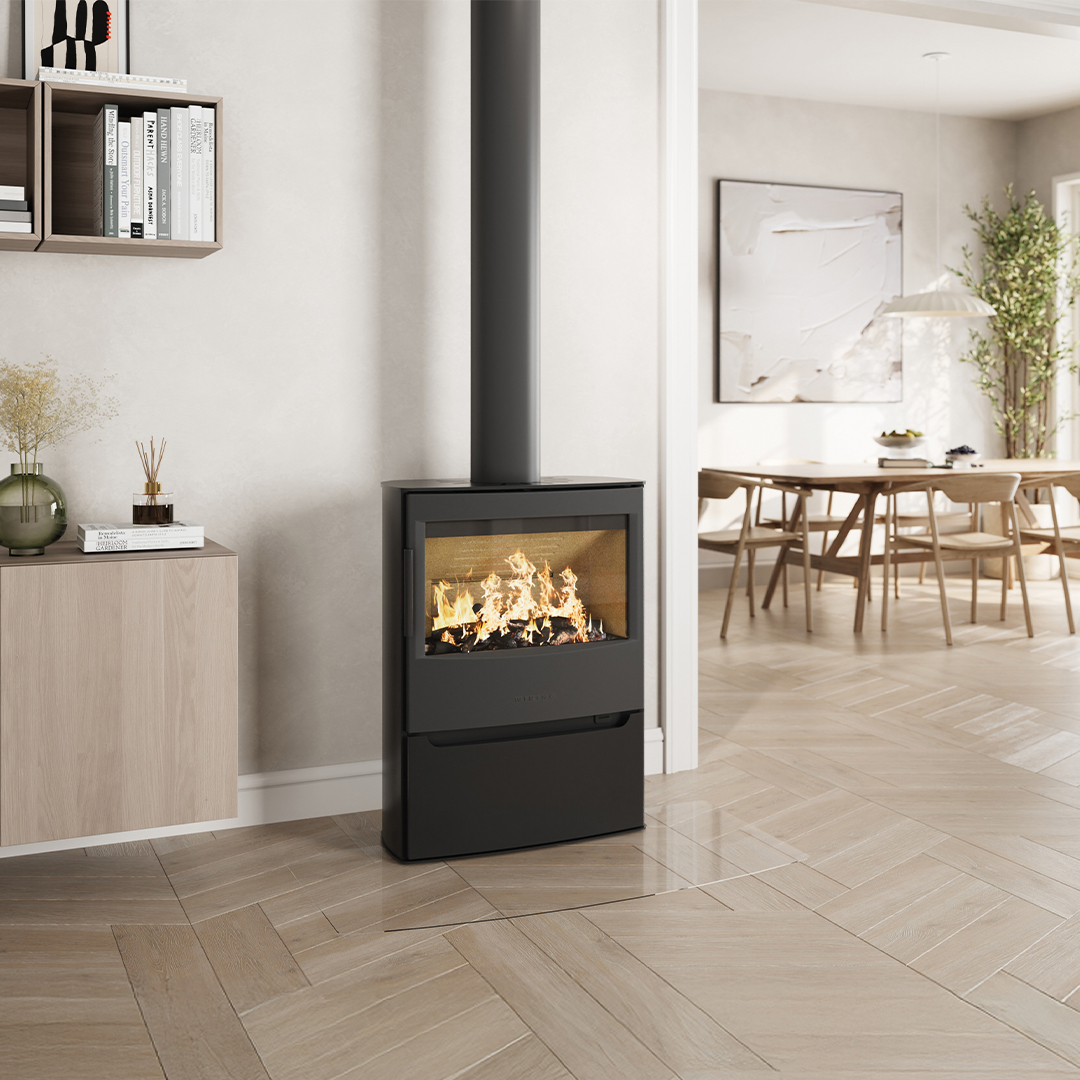
In practical terms, wood-burning supplemental heating meets specific needs. During the shoulder seasons, it helps avoid turning on the central heating too early or having to restart it during the last cold spells. It can also provide effective backup during extreme cold spells, or heat a living room without overheating the entire house.
The Benefits of a Wood Stove in Everyday Life
One of the main advantages of a wood stove is how quickly it heats up. You can feel the warmth almost immediately, especially near the stove. This gentle, enveloping heat helps create a truly cozy atmosphere in living spaces.
Installing a wood stove also means enjoying a warm, inviting ambiance. Depending on the stove model, the flames transform the atmosphere and make the stove a focal point of the home. Whether modern or classic, black or colorful, there’s something to suit every style and preference.
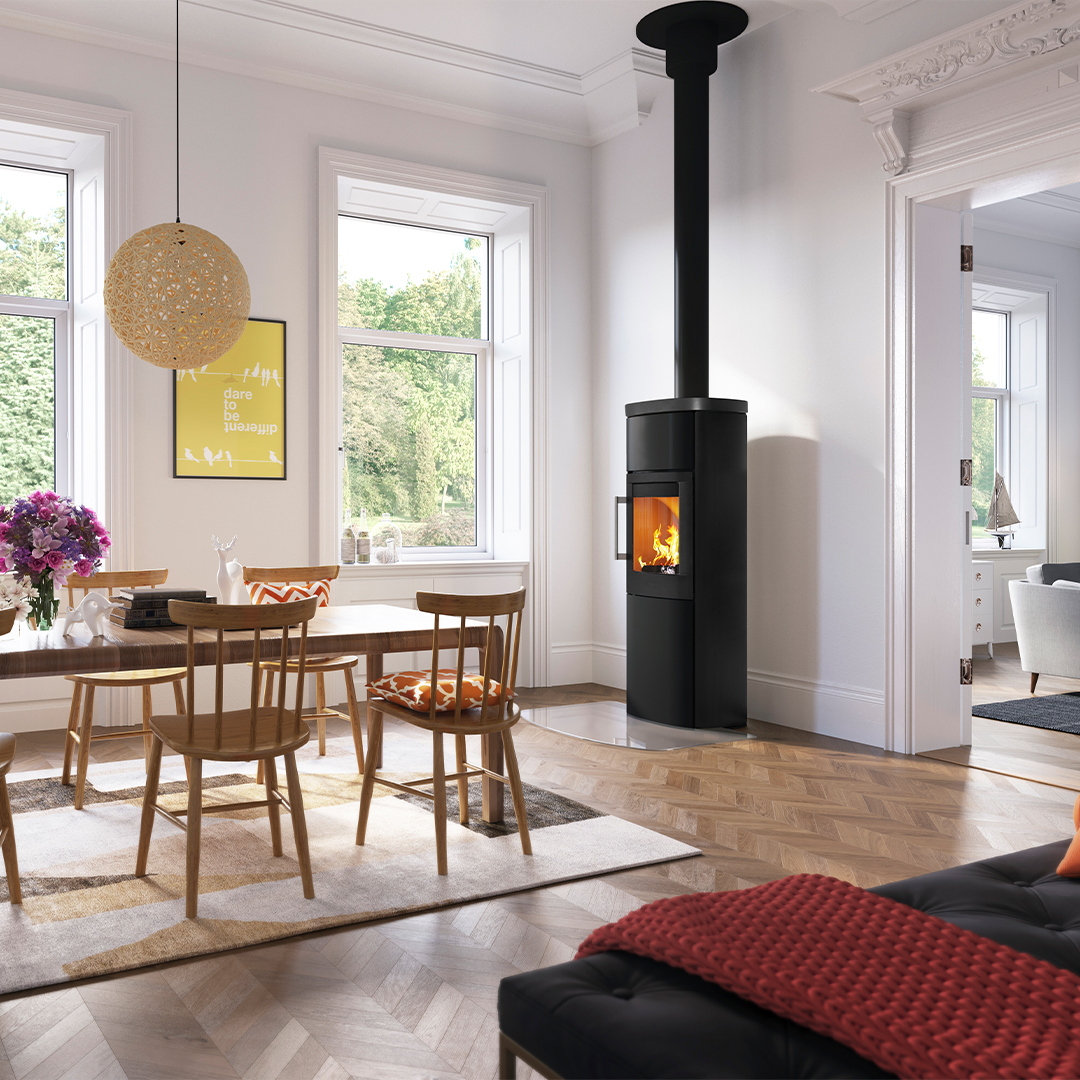
From an economic standpoint, using a wood stove for supplemental heating naturally reduces the workload on the main heating system. When properly sized and highly efficient, it can help limit energy consumption. Keep in mind that the savings achieved depend on several factors, such as how often it is used, the type of fuel chosen, and the home’s insulation.
Choosing the Right Wood-Burning Space Heater
To effectively meet your needs, choosing the right wood stove is essential. The stove’s heat output plays a key role. A stove that’s too powerful may cause the house to overheat. This is particularly uncomfortable and will also show up on your utility bill. Conversely, an underpowered stove could prove ineffective and unsatisfactory for everyday use.
To determine the appropriate output, several factors must be considered, such as the room’s floor area and volume, as well as the quality of the home’s insulation and individual preferences.
The stove’s location is also key. Typically installed in the living area, it must be able to distribute heat effectively. An open layout and good air circulation promote even heat distribution.

But don’t forget that professional assistance is essential. The experts at SEGUIN will guide you through every step of your project, from choosing the right stove to installing it. Hiring a certified installer ensures compliance with current standards, safe commissioning, and personalized support to help you get the most out of your wood stove.
Key takeaways
FAQ
Yes, a wood stove is ideal for supplemental heating.
The heat output of a wood stove depends on the room’s floor area, volume, and insulation.
Using a wood stove as a supplemental heat source can be cost-effective if it is efficient, properly sized, and used at the right times in a well-insulated home.
A wood-burning stove can be installed in most homes and in some apartments, subject to technical and regulatory requirements.
Blog & Tips
How to install a wood-burning stove: complete guide and key steps
Installing a wood-burning stove in your home is a project that requires careful preparation and compliance with numerous safety standards. Whether you plan to have your appliance installed by a professional or are considering installing it yourself, it is essential to fully understand each step. Before starting the installation process, take a look at our […]
How do you choose a wood-burning stove?
Factors to consider before choosing a wood-burning stove 1. The stove’s heat output The first question to ask is: What do you intend to use this wood-burning stove for? Will it be your main source of heating, or simply a supplementary or decorative appliance? To determine the appropriate heat output, you need to take into […]

How can you recycle the ashes from a wood fire?
Ash for making laundry detergent And yes, wood ash is very effective for washing your laundry! In particular, it’s an excellent stain remover and very effective at bringing your white laundry back to life. How do I make my own laundry detergent using ash? Ash for cleaning windows Thanks to the potash contained in wood […]
Firewood: when is the best time to buy it and save money?
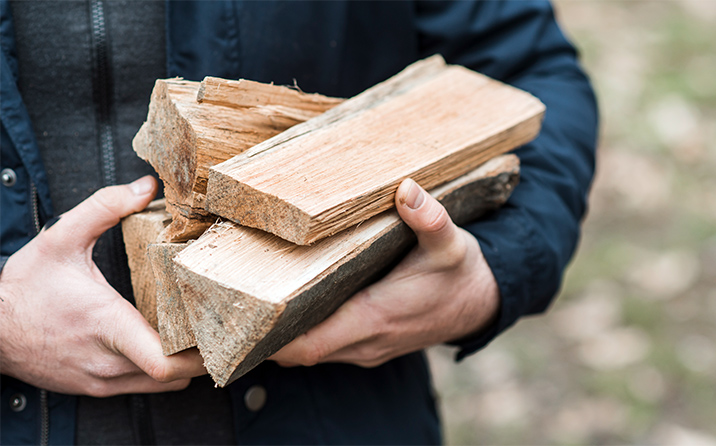
To get through the winter with peace of mind while making valuable savings, it’s best to plan ahead when buying your firewood or pellets. From selection to storage, SEGUIN network experts share their advice to help you properly prepare for the heating season. Lower prices, drier wood, faster delivery… Buying your firewood at the right […]

The Technique for Lighting a Wood Fire in an Insert
Placing the Logs Step 1 Place the logs in your or fireplace while respecting the load limits described in the user manual of your appliance. The logs must be split and dry (less than 20% moisture content). Step 2 : Add 2 or 3 layers of kindling on top of the logs, alternating the direction. […]