


It may sometimes seem trivial, but the quality of the wood you use for heating is a crucial factor when switching to a wood-burning system. Indeed, just as with a car, the fuel you use for heating is also very important. Using the right type of wood can save you money, reduce maintenance, and improve performance. However, it can sometimes be difficult to navigate the wide variety of wood species available: beech, oak, birch… In this article, we explain everything you need to know about the wood to use for heating.
Which type of wood should you choose?
What are the differences between different types of wood?
As you will have realised, there are now a great many different types of wood. Among these, you will often hear about beech, ash, birch and oak, as well as deciduous trees. The names we have just mentioned are the most common types. However, what is the difference between all these types?
As you can probably imagine, wood does not burn in the same way.
If you take one kilogram of each type of wood, they will burn in the same way. However, in reality, we tend to talk about cubic metres of wood, and that is where the difference lies. A single cubic metre will not weigh the same depending on the type of wood chosen. It is this difference in weight between the different types of wood that will influence the amount of heat produced during combustion: this is what is known as the calorific value.
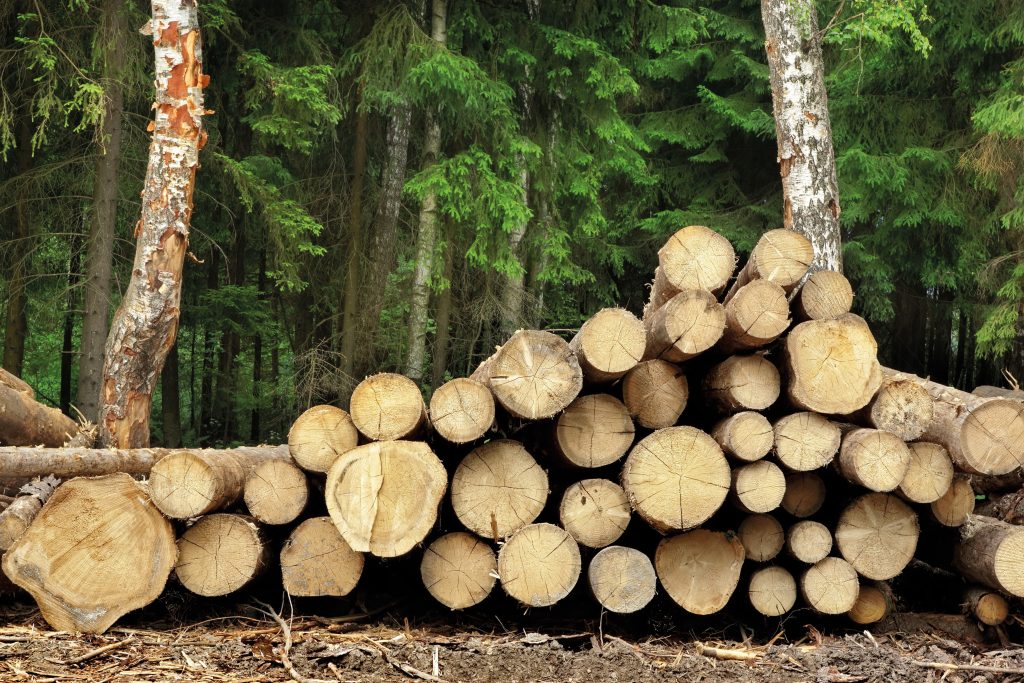
As you will have realised, the density of wood varies depending on the species. To give you a clearer picture, here is a list of wood species ranked by density in kg/m³:
| Beech | 710 |
| Oak | 700 |
| Ash | 700 |
| Elm | 690 |
| Maple | 660 |
| Birch | 620 |
| Mountain pine | 600 |
| Willow | 560 |
| Alder | 540 |
| Scots pine | 520 |
| Larch | 520 |
| Linden | 510 |
| fir tree | 450 |
| Poplar | 450 |
Should you use heavy timber or light timber?
As we have seen, each type of wood has a different weight and therefore different performance characteristics. This raises the question of whether it is better to buy light wood or so-called heavy wood.
- As for ‘light’ wood, the advantage is that it burns quite easily. In fact, you won’t have too much trouble getting it alight. However, the downside is that it burns quickly, so you’ll need to keep adding more fairly regularly.
- As for ‘heavy’ wood, on the other hand, as it has a higher calorific value, it will take longer to burn and will therefore produce heat for a longer period.
So, if you use your wood-burning stove or fireplace as a primary heating source, it is advisable to buy denser wood, which will be more expensive but will provide better performance. Conversely, if you use your stove or fireplace more for leisure, in which case it is better to buy less dense wood.
Can you use different types of wood in a wood-burning stove?
Yes, it is entirely possible to use different types of wood for heating. Firstly, using different types of wood for heating helps to protect biodiversity. Secondly, because of their different properties, using a variety of wood types can offer numerous benefits, such as making it easier to light your fire.
It’s actually a good idea to start your wood fire by using less dense wood at first. This will catch fire more quickly and help your fire get going straight away. Birch is a good choice here, for example. Once the fire is well established, it’s a good idea to switch to denser wood, such as beech, to keep it burning throughout the night, for example.
As you can see, the type of wood you use has a real impact on the performance of your wood-burning stove or fireplace. It is therefore important to give careful thought not only to the wood you wish to buy, but also to the wood you will actually use when lighting your appliance.
If you’re interested in a wood-burning stove, please do take a look at our range.
Blog & Conseils
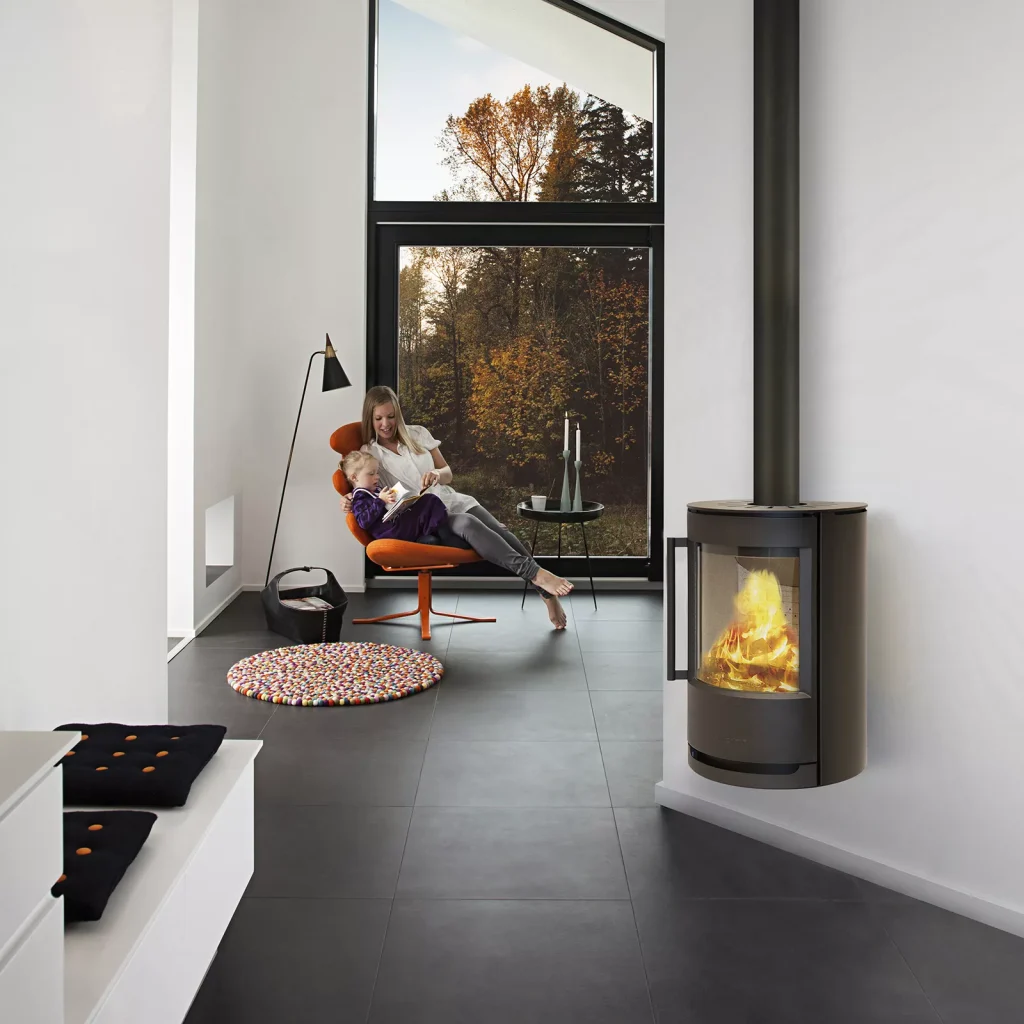
How do you choose a wood-burning stove?
Factors to consider before choosing a wood-burning stove 1. The stove’s heat output The first question to ask is: What do you intend to use this wood-burning stove for? Will it be your main source of heating, or simply a supplementary or decorative appliance? To determine the appropriate heat output, you need to take into […]
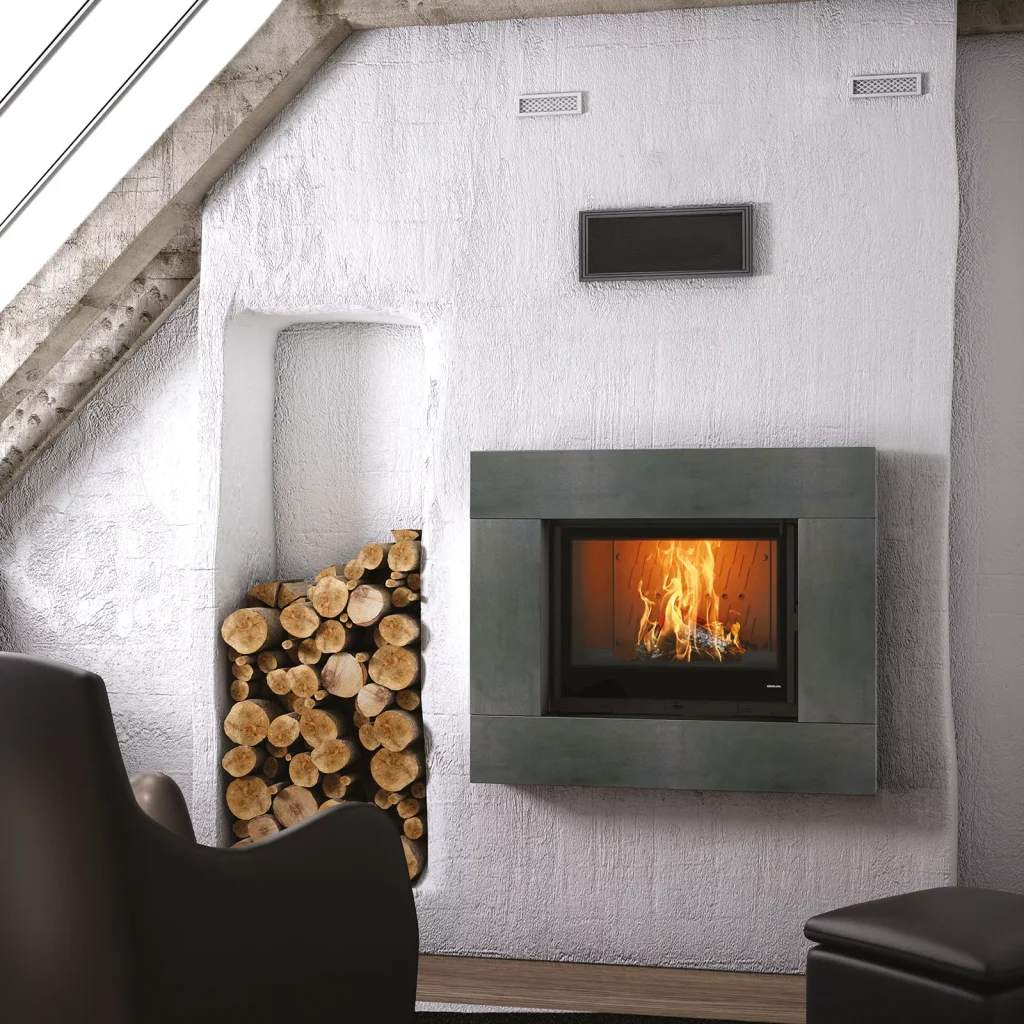
What are the benefits of heating your home with wood?
More energy-efficient and more environmentally friendly? Wood fuel is a local resource that is sourced and utilised within a short supply chain, with limited supply ranges. The firewood used to fuel our heating appliances remains within the regional area of production, often at distances of less than 100 km, unlike fossil fuels, which often come […]
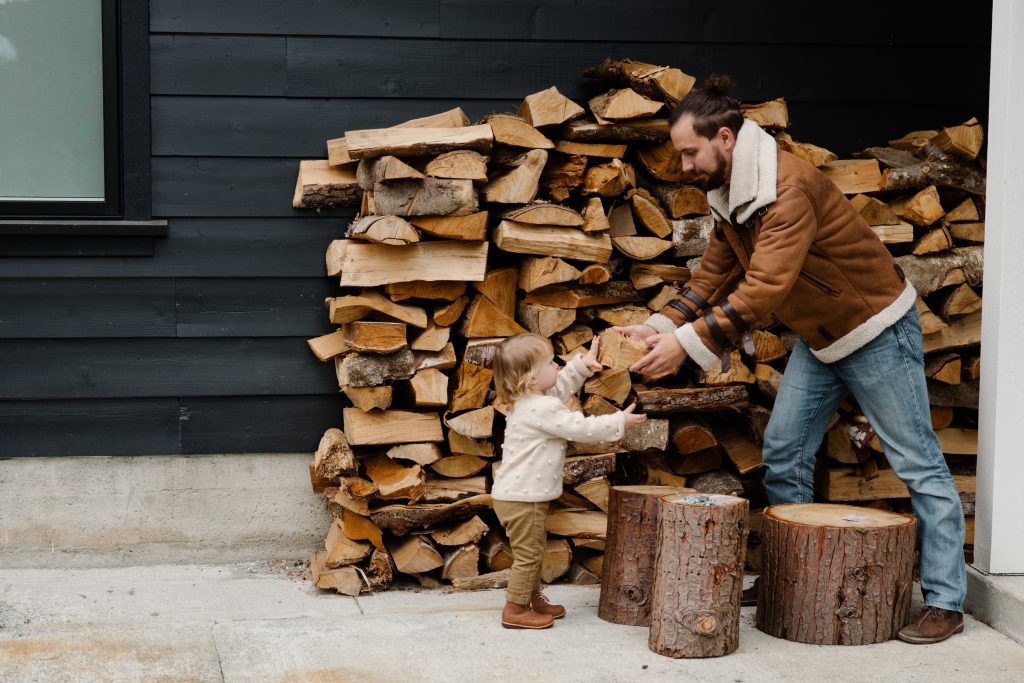
7 Good reasons to heat with wood
With the rising cost of gas, heating oil, electricity and more, it can sometimes be difficult to pay the bills. So how can you keep warm without breaking the bank, whilst minimising your impact on the environment? Discover 7 good reasons to heat your home with wood. It’s true that this issue may seem complicated […]
Wood-fired heating: unexpected benefits! The Scandinavian approach.
As we know, the Scandinavians have a highly developed culture of wood-burning heating. For example, in Norway, there is more than one wood-burning stove per household. The Scandinavian market – and Denmark in particular – is now one of the most dynamic in Europe, with leading manufacturers. This tradition of wood-burning heating has long enabled […]