
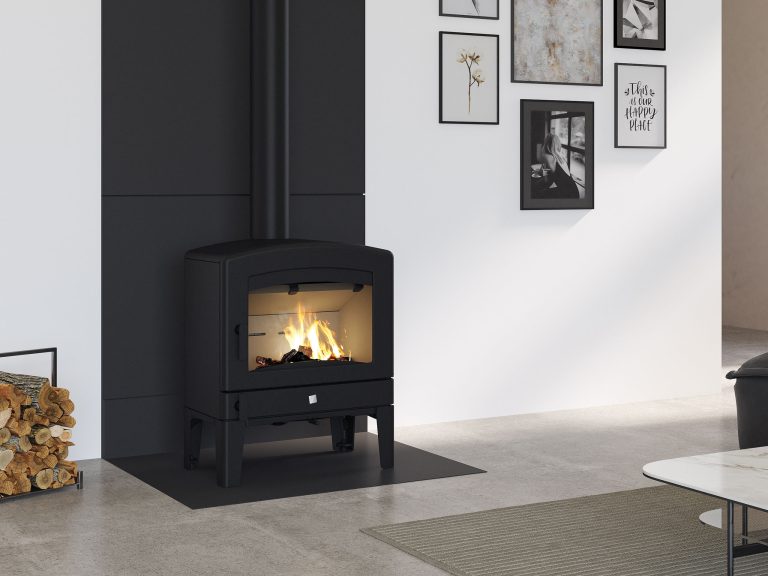



A well-insulated house retains heat better. To get the most out of your wood-burning stove at the right temperature, make sure you choose the right heat output and maintain a steady burn.
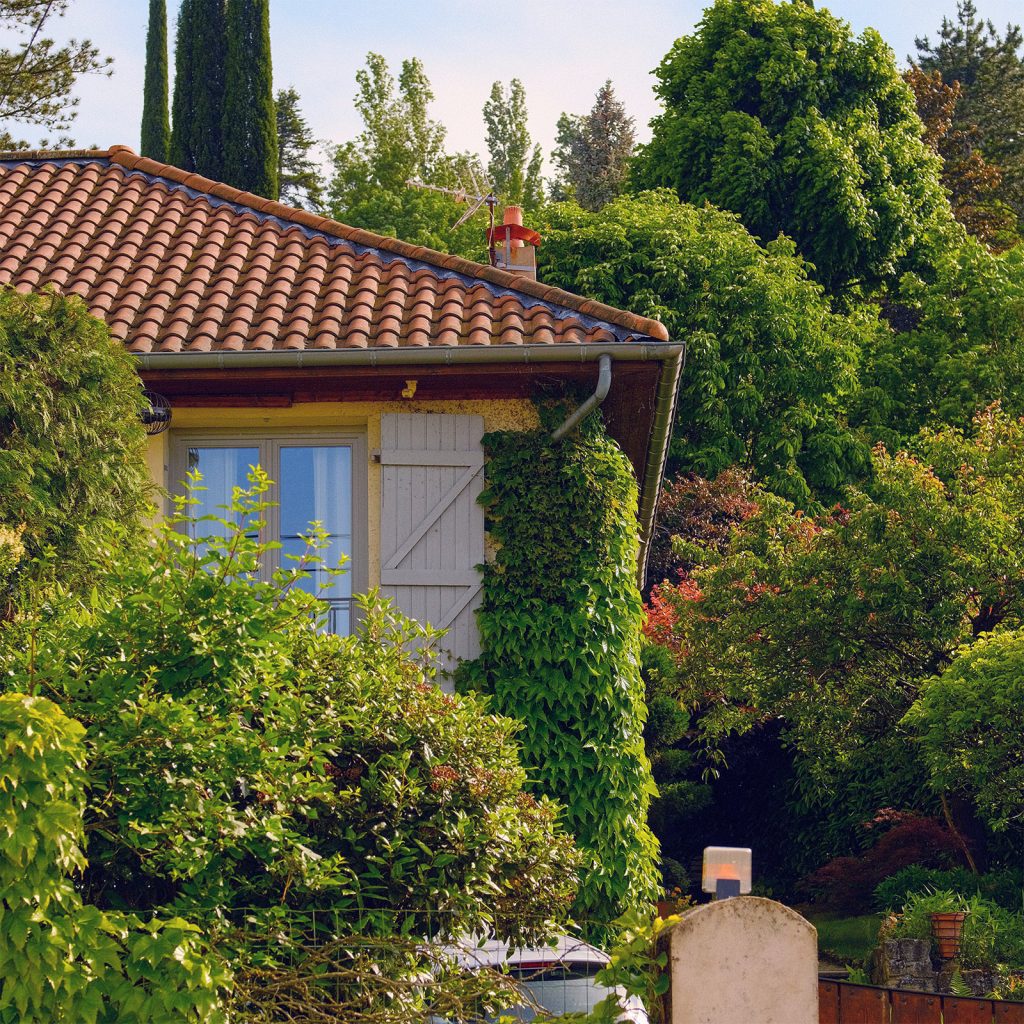
Why does it sometimes get too hot near the stove?
The pleasure of a cosy fire can quickly lead to an overheated living room. In a new or renovated house, insulation reduces heat loss, meaning heating requirements are lower. A stove that is too powerful will therefore produce more heat than is needed. Following renovation work, a stove that was previously suitable may also become oversized.1
The layout of the rooms also matters. The stove heats its surroundings through radiation and convection,2 but walls restrict the circulation of warm air. Rooms that are still cool therefore do not justify adding more logs to a fire in a living room that is already cosy.
How do you choose a stove that’s suitable for a well-insulated house?
Start by considering your actual needs: insulation, the volume to be heated, the climate and other heating sources. If you’re planning a renovation, think about the house once the work is complete.5 A professional from the SEGUIN network can guide you in choosing the right output for your wood-burning stove, without adding a ‘just in case’ margin.1
Next, consider its location. An open-plan room facilitates heat distribution; the air intake, flue and safety clearances all need to be taken into account when installing the system.5 It is this preparation that enables you to enjoy the benefits of wood-burning heating in conditions suited to your home.
How can you keep your home comfortably warm every day?
Follow the instructions in the user manual regarding the amount of wood to use and the settings. To choose the right firewood, opt for dry logs that are suitable for your stove.4 Once the room has reached a comfortable temperature, let the fire burn out naturally without adding more wood out of habit. The stove continues to give off heat even after the flames have gone out: plan ahead for the next fire rather than keeping a fire going constantly.
Stick to the quantities of wood specified by the manufacturer: reducing the load to an extreme is not the answer. In mid-season, when heating requirements are low, you can simply wait before lighting your stove.3
To keep the room from getting too hot, avoid closing the air controls too much: a lack of oxygen impairs combustion, encourages the build-up of deposits and increases pollutant emissions.3 Adjust the air supply as per the instructions and space out the fires as required.
Regular cleaning of your wood-burning stove helps to ensure it runs smoothly.4 It complements the maintenance and chimney sweeping carried out by a professional; it does not rectify excessive heat output.
Key points
- Choose the heat output to suit your needs once the room has been insulated.
- Take heat distribution into account when choosing the location.
- Space out the fires without smothering the flames.
FAQ – Your questions about overheating
There is no single factor: volume, insulation, climate and layout must all be considered together. Floor area alone is not enough.
Have a SEGUIN professional reassess the requirements and settings. If the heat output has become too high, reducing the air intake will not solve the problem.
They can still be useful in rooms further away. In the living room, adjust their settings to avoid their heat building up alongside that of the stove.
Sources
2. France Rénov’ – Le poêle à bûches, fonctionnement et diffusion de chaleur.
3. ADEME – Comment bien se chauffer au bois ?, édition juin 2026, gestion du feu et apport d’air.
Sources consulted on 30 September 2026.
Blog & advice
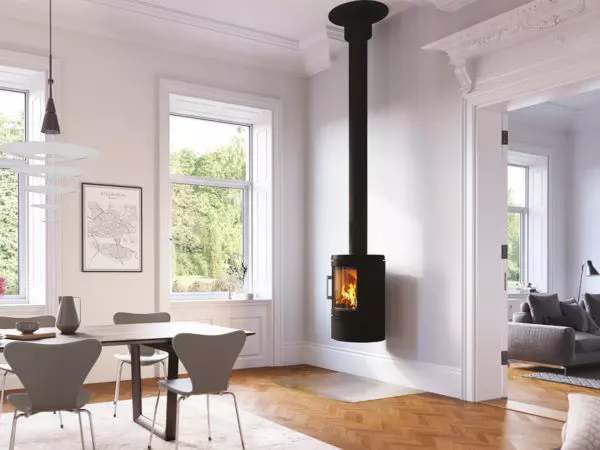
4 common misconceptions about wood heating
Heating with wood? It’s too expensive, not always efficient and, on top of that, it pollutes! That’s what you often hear when wood heating is mentioned. But what is the reality? Evolving technologies, increasingly efficient products, government regulations and environmental targets… all of this may well put an end to the misconceptions surrounding wood heating. […]
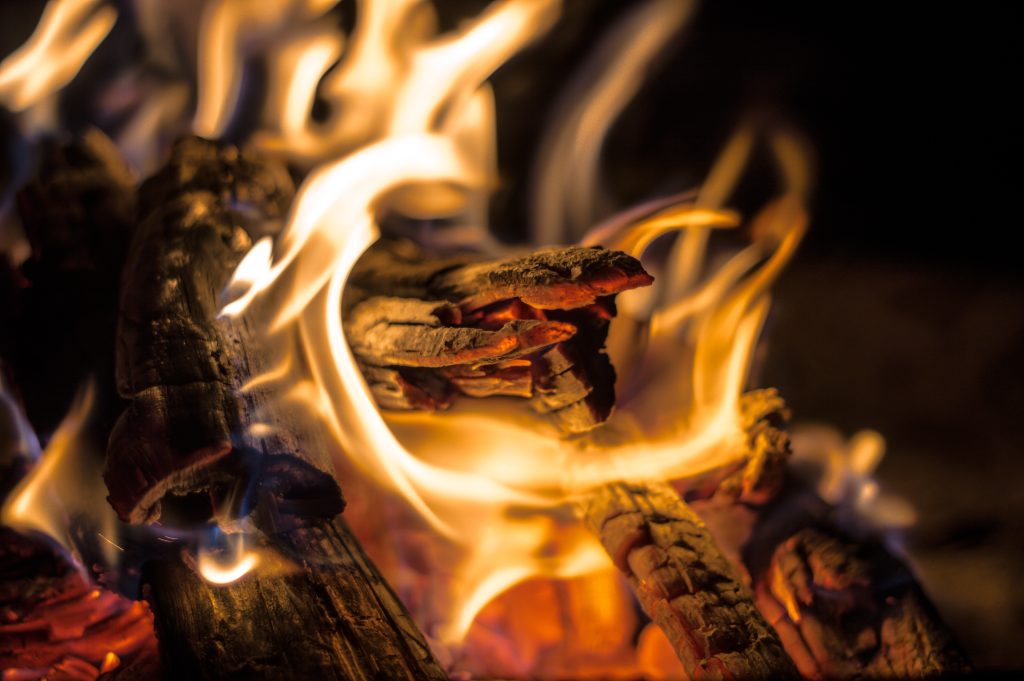
The Technique for Lighting a Wood Fire in an Insert
Placing the Logs Step 1 Place the logs in your or fireplace while respecting the load limits described in the user manual of your appliance. The logs must be split and dry (less than 20% moisture content). Step 2 : Add 2 or 3 layers of kindling on top of the logs, alternating the direction. […]
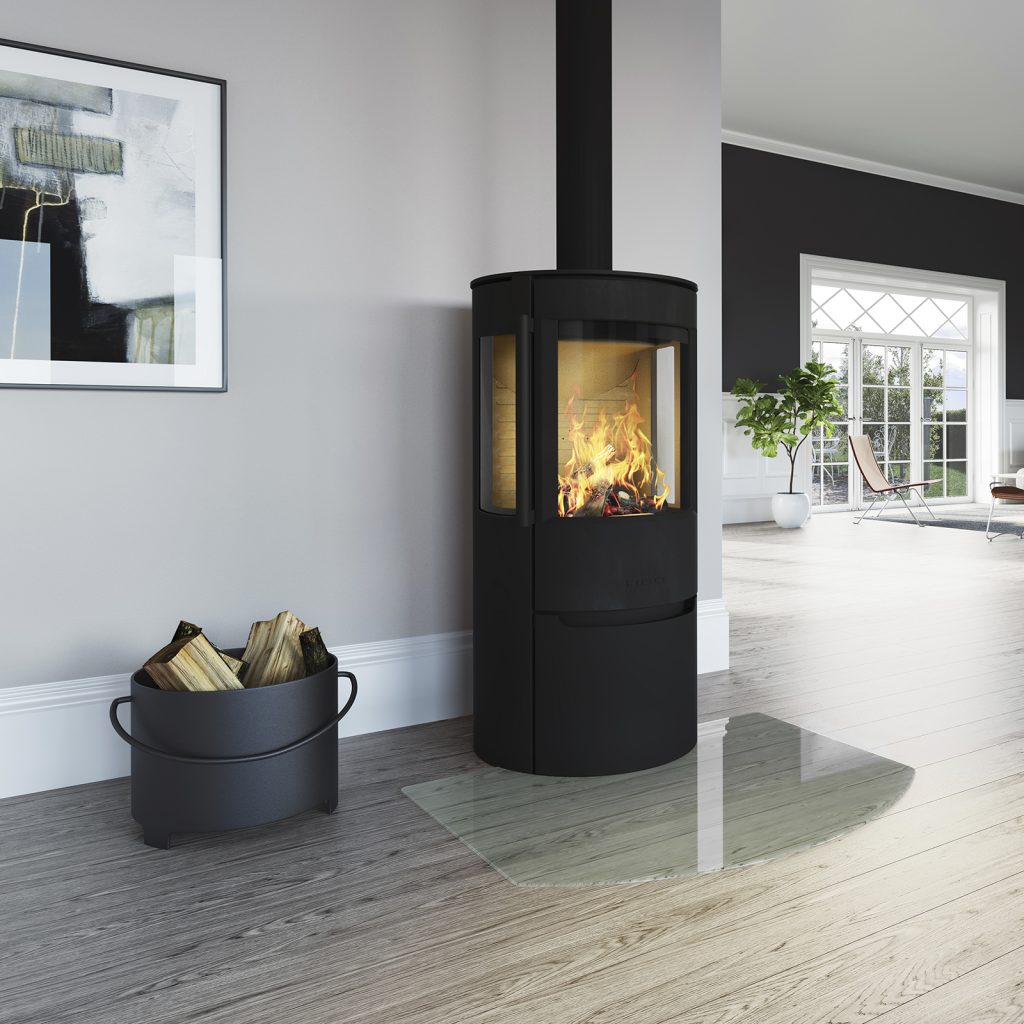
Wood-burning stove: how do you ensure a suitable air supply?
To get the most out of your wood-burning stove, don’t forget to consider its air supply. Should it draw air from the room or be connected to the outside? Here’s how to choose. What is the purpose of the air inlet on a wood-burning stove? Whilst the design and the view of the flames are […]
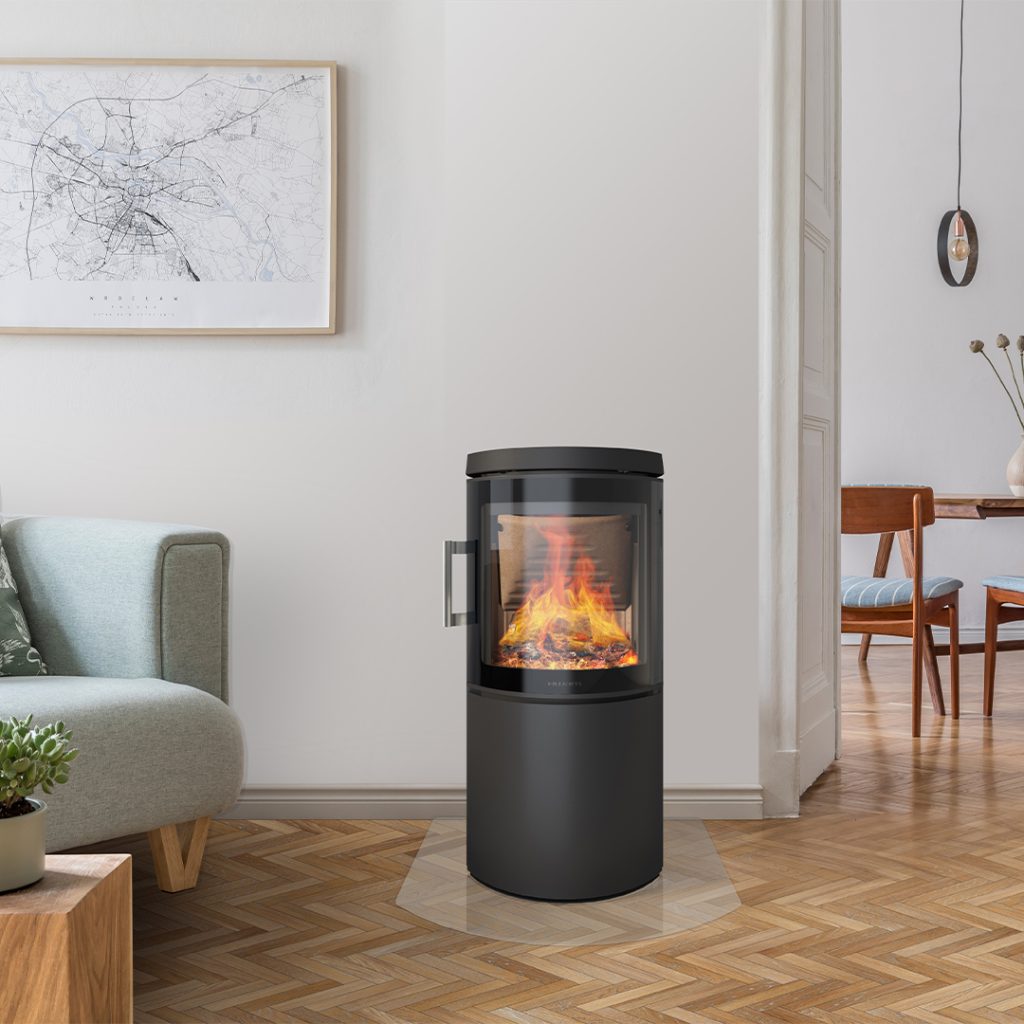
How do you choose the ideal heat output for your wood stove?
The heat output of a wood stove is one of the most important factors in ensuring efficient and economical heating. An improperly sized stove can lead to excessive fuel consumption, reduced comfort, or premature wear and tear. What factors should you consider when determining the right output for your home? Let’s take a closer look […]