





What is the RT 2012 thermal regulation?
The RT 2012 thermal regulation aims to limit the energy consumption of new buildings, whether residential or commercial.
The objective of RT 2012 is structured around five energy-consuming elements:
- Heating
- Air conditioning
- Domestic hot water production
- Lighting
- Auxiliary systems (ventilation, etc.)
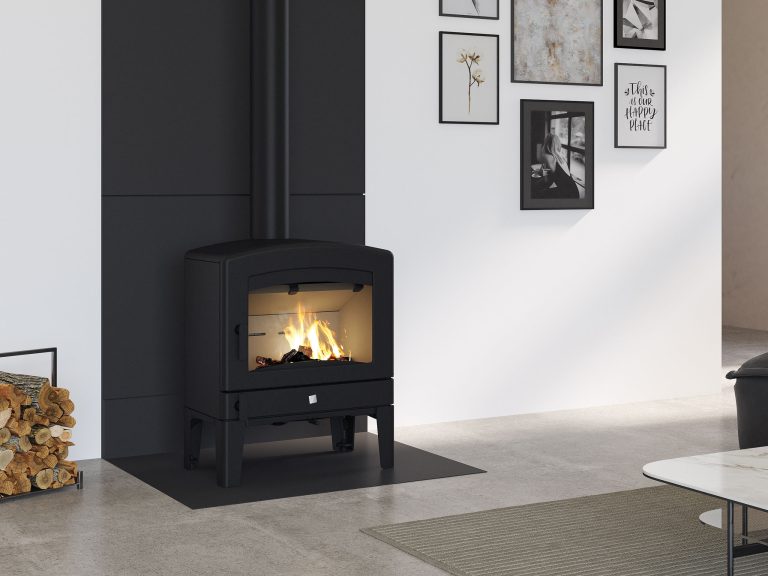
One of the goals of these energy efficiency regulations is to replace the existing stock of wood-burning heating appliances (old, inefficient stoves and fireplaces) with state-of-the-art models, which will be much more efficient. These new stoves and fireplaces help reduce energy consumption while also cutting down on pollutant emissions.
Building an RT 2012-compliant home and installing a wood-burning heating system
Le principe de la nouvelle réglementation thermique est que toutes les maisons individuelles neuves doivent être équipées d’une source d’énergie renouvelable. Ainsi, les poêles à bois, les poêles à granulés et les foyers fermés bois sont considérés comme mode de chauffage.
You have two options for installing a wood-burning heating system in a new home built to the RT 2012 standard:
- As the primary heating source: The stove or fireplace must be airtight and equipped with a manual shut-off system and automatic temperature control based on the indoor temperature. For example, our HWAM wood-burning stoves are equipped with IHS SmartControl.
- As a supplementary heating source: In any case, you can install a wood-burning or pellet stove to reduce your gas or electricity usage.
On January 1, 2020, the 2020 Environmental Regulations will set a new standard. It will no longer be enough to simply construct “low-energy” buildings; they must be “net-zero energy.” This means that the house must produce more energy than it consumes.
Source : Les Experts Chaleur Bois
Blog & conseils
What output should you choose for your wood-burning stove to suit your home?
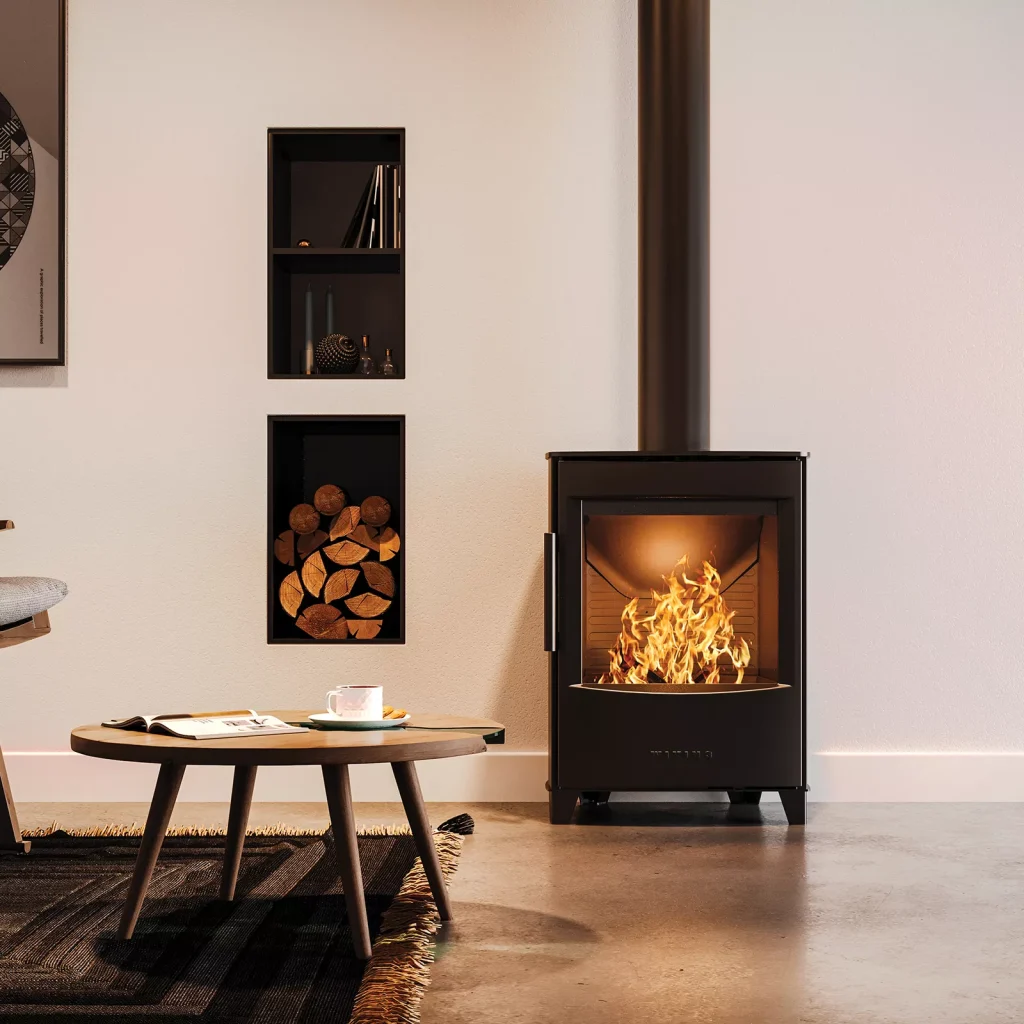
Choosing the ideal output for your wood-burning stove is a crucial step in ensuring efficient and economical heating for your home. A properly sized appliance will guarantee thermal comfort, energy savings and durability. In this comprehensive guide, we help you determine the exact capacity suited to your needs, based on your living space, the insulation […]
Can an insert be installed in an existing fireplace?
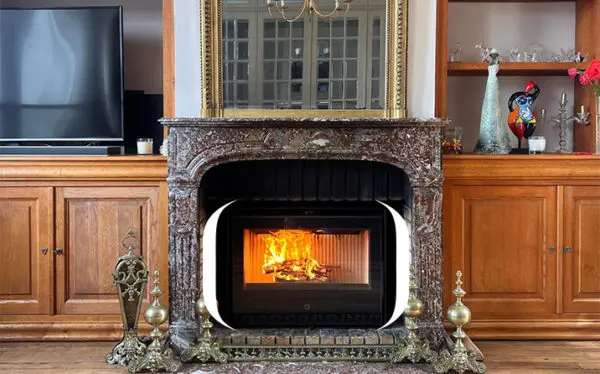
Installing an insert in an existing fireplace: what you need to know Do you have an existing fireplace that you love but which struggles to heat your home efficiently? Are you considering installing an insert to combine traditional aesthetics with modern thermal comfort, but wondering whether it is really possible? At Cheminées SEGUIN, we are […]
How to use wood heating as your main source of heating
Are you building or renovating your home and wondering about your heating system? Would you like to replace your traditional heating system to save money? Have you considered installing wood heating as your main source? Advantages, disadvantages and practical advice – we explain everything! The advantages of wood heating as a main source Do you […]
How do you choose a wood-burning stove?
Factors to consider before choosing a wood-burning stove 1. The stove’s heat output The first question to ask is: What do you intend to use this wood-burning stove for? Will it be your main source of heating, or simply a supplementary or decorative appliance? To determine the appropriate heat output, you need to take into […]