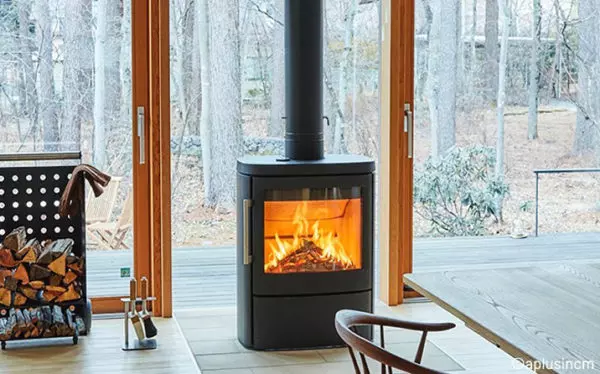
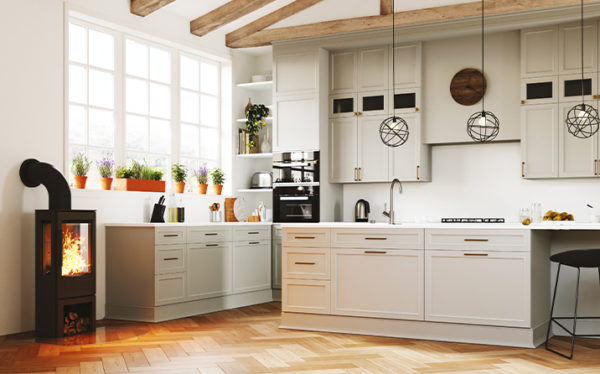
If you own a fireplace or wood stove, you may not always know what to do with your ashes. From safety and recycling to tips for reusing them around the house or garden, the experts at SEGUIN explain how to do it.
Did you know that your fireplace ashes can be a real asset to your garden or home? If you prefer to throw them away, you should also be aware that there are specific disposal rules to follow. And of course, it all starts with careful and controlled handling of the ashes. Here's everything you need to know about your fireplace ashes.
Safety: the right way to dispose of ashes safely
Although regular maintenance of your fireplace or wood stove is essential, you should always wait until the ashes are completely cold before handling them. They can remain hot for up to 48 hours after the fire has gone out, so be patient.
Once cooled, remove them with a shovel and brush, then store them in a metal bucket with a lid to prevent the ashes from flying away and dirtying your home. To prevent any risk of fire, never place them in a plastic container, cardboard box, or regular trash bag. Always place the bucket on a non-flammable surface.
Untreated wood ashes are considered non-hazardous household waste. They can therefore be disposed of with household garbage, provided they have cooled for several days and are placed in a closed bag.
Some waste disposal centers also accept wood ashes: check with your local authority. However, it is strictly forbidden to dispose of them in drains or sewers, as this may upset the soil balance and pollute the water.
Garden maintenance: how to reuse ashes
Wood ash is a valuable asset for the garden. Rich in minerals (potassium, calcium, magnesium, etc.), it reduces soil acidity and promotes plant growth.
For example, you can sprinkle a thin layer at the base of fruit trees, rose bushes, or even on the lawn before it rains for better absorption and amazing results! They are also effective at keeping slugs and snails away if these little creatures become a bit too invasive.
Be careful to use only a small amount and to adapt the use of ashes to the nature of your soil. Avoid spreading them on calcareous soils or near acidophilic plants such as azaleas, rhododendrons, or hydrangeas. On other soils, limit yourself to one or two handfuls of ashes per square meter, once or twice per season at most. Excessive use could upset the soil's balance.
You can also add a small amount to your compost to enrich its composition. Limit yourself to one handful of ashes per layer of about 4 inches.
Ashes: a powerful cleaning agent for the home
In the home, the abrasive power of ashes makes them a good natural cleaning agent. Mixed with a little water, they form an effective paste for cleaning your stove or fireplace glass, cleaning windows, or polishing stainless steel.
Finally, scattered on snow or ice, it is a great substitute for road salt and helps prevent slipping.
Keep in mind that these tips only apply to ash from natural wood. Ash from treated, varnished, or painted wood may contain heavy metals and should not be reused in your daily life under any circumstances.